Falls are one of the leading causes of injury among older adults, yet many are completely preventable. Whether you’re helping an aging parent, caring for a loved one, or simply planning ahead for your own future, making a few simple improvements around the home can dramatically reduce the risk of a serious fall.
According to the CDC, one in four adults over the age of 65 experiences a fall each year. Even a seemingly minor fall can lead to fractures, hospitalization, reduced independence, and a loss of confidence.
Fortunately, many falls are caused by hazards that are easy and inexpensive to correct.
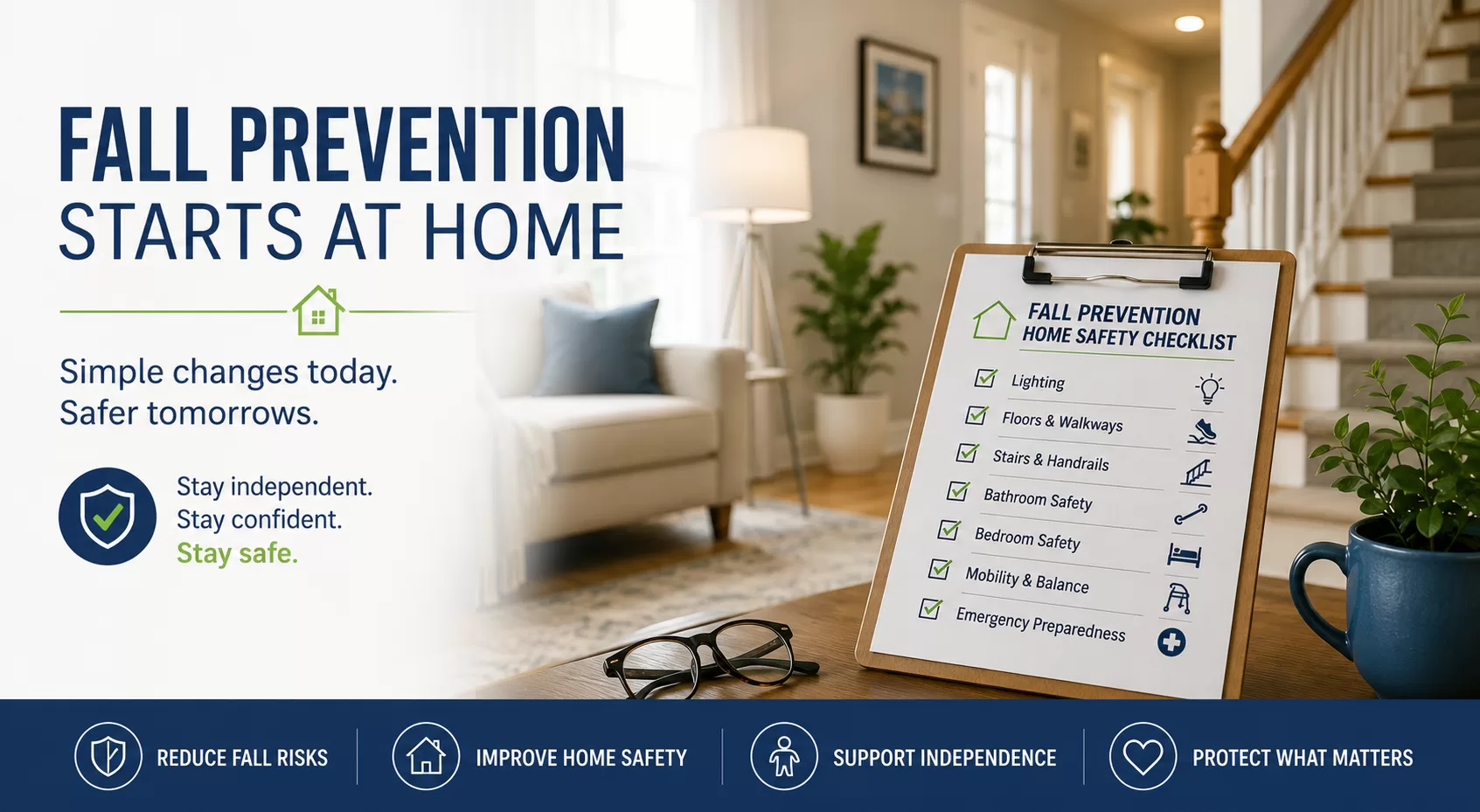
Our checklist walks you through a complete room-by-room home safety assessment to help you identify risks and make practical improvements.
What’s Included in the Checklist?
The checklist covers every major area of the home, including:
✔ Lighting and visibility
✔ Floors and walkways
✔ Stair and handrail safety
✔ Bathroom safety improvements
✔ Bedroom safety
✔ Kitchen organization
✔ Furniture and seating
✔ Safe footwear recommendations
✔ Mobility and balance considerations
✔ Medication and health risks
✔ Outdoor hazards
✔ Emergency preparedness
Whether you complete the checklist yourself or with a family member, it’s an excellent way to create a safer living environment.
Small Changes Can Make a Big Difference
Many of the most effective fall prevention improvements are simple:
Install motion-activated night lights.
Remove loose rugs and clutter from walkways.
Add grab bars in bathrooms.
Improve stair lighting.
Store frequently used items within easy reach.
Wear supportive, non-slip footwear.
Review medications that may affect balance.
These small changes can greatly reduce the risk of falls while helping seniors remain safe, independent, and confident in their own homes.
For more than 35 years, Secure Safety Solutions has provided innovative safety products and fall prevention solutions to hospitals, rehabilitation centers, assisted living communities, home healthcare providers, caregivers, and families throughout the United States and around the world.
Our mission is simple: help people live safer, healthier, and more independent lives.
Falls are among the most common and serious safety risks for older adults. According to the U.S. Centers for Disease Control and Prevention (CDC), one in four adults aged 65 and older experiences a fall each year, totaling more than 14 million reported falls in the United States. Falls are the leading cause of fatal and non-fatal injuries among older adults, and their consequences range from minor injuries to hip fractures, traumatic brain injuries, and even death. Emergency departments treat about 3 million older adults for fall-related injuries each year, and nearly 1 million are hospitalized, often for serious trauma such as hip fractures. In 2021, falls caused approximately 38,000 deaths among adults age 65 and older.
With the aging population growing rapidly, these figures are expected to rise unless effective prevention and monitoring strategies are implemented.
This guide explains how elderly fall prevention bed and chair alarms work, including modern wireless patient monitoring systems available from Secure Safety Solutions. It covers when these systems are most effective, how they differ, and how caregivers can choose the right solution for their needs.
How Elderly Fall Prevention Alarms Work
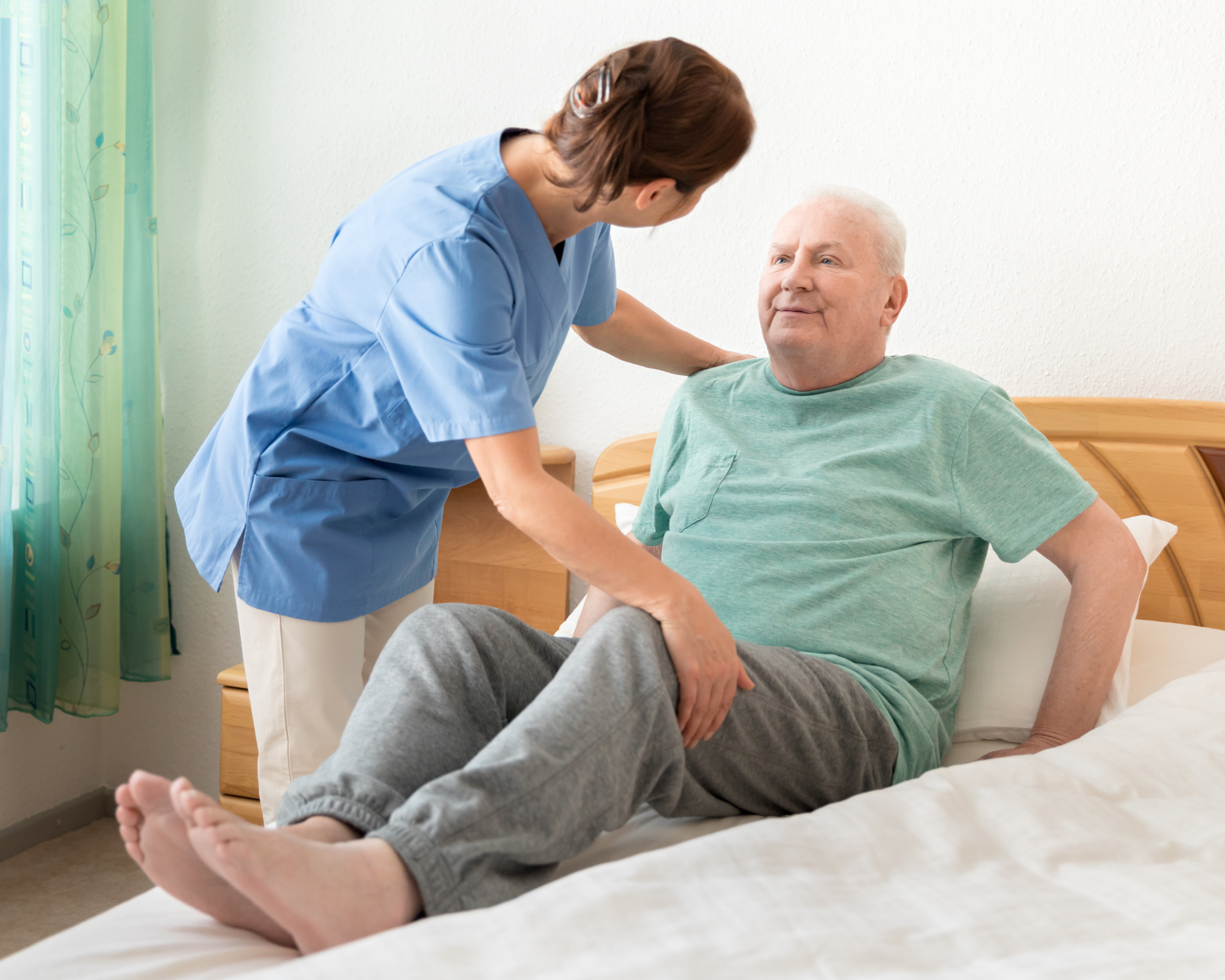
Fall prevention alarms are designed to alert caregivers when a senior attempts to stand or move without assistance. Rather than physically restraining movement, these systems focus on early detection, allowing caregivers to intervene before a fall occurs.
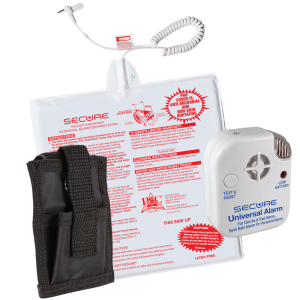
Most systems rely on pressure-sensitive sensor pads. When weight is removed from the pad—such as when a person rises from a bed or chair—the system sends an alert to a monitor or alarm unit. This early alert gives caregivers valuable time to respond before a fall happens.
Many of these systems are part of broader fall and wandering prevention solutions designed for both home and professional care settings. You can explore them here:
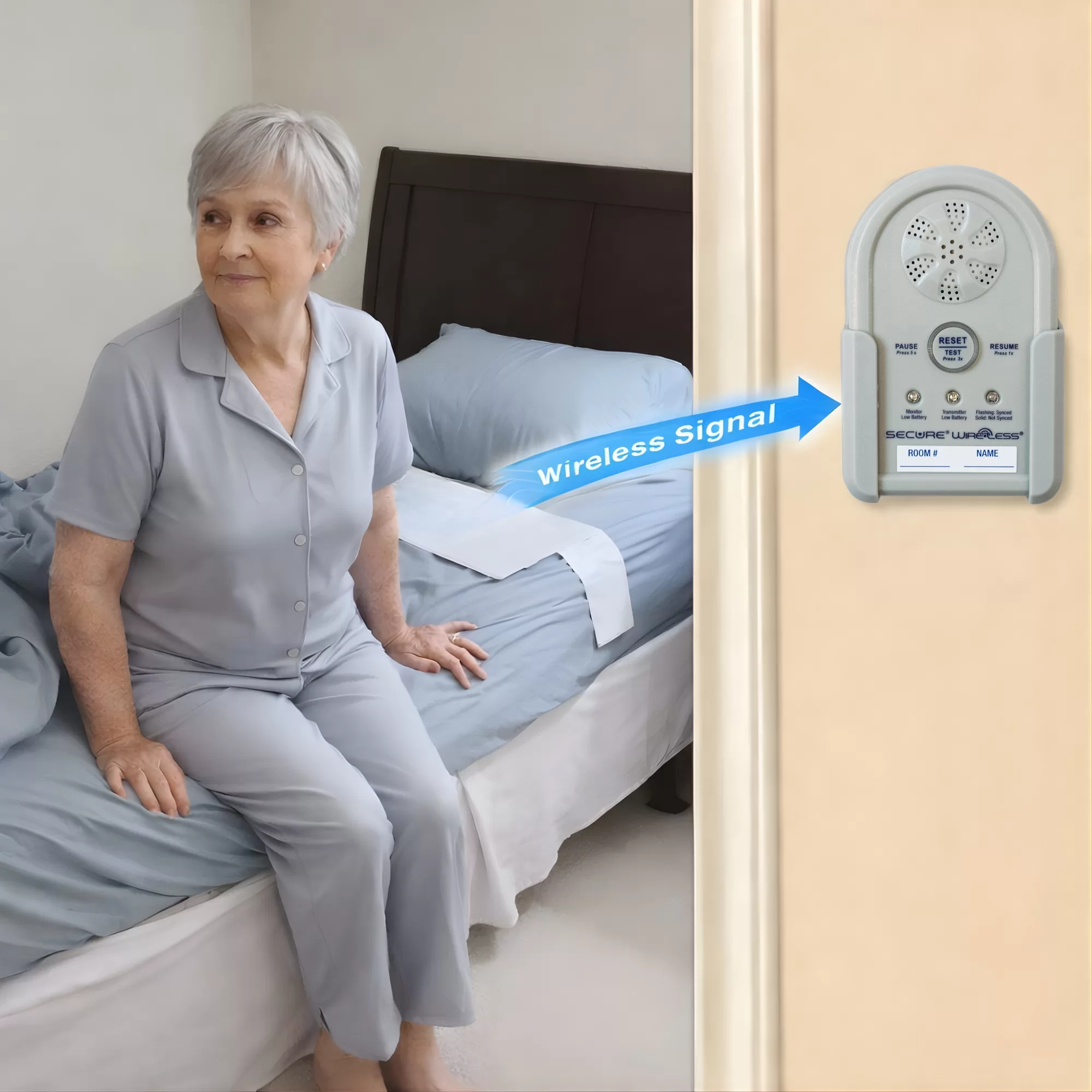
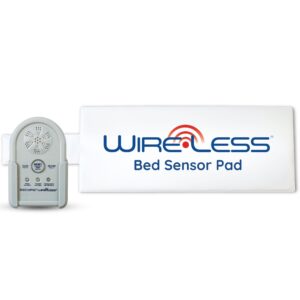
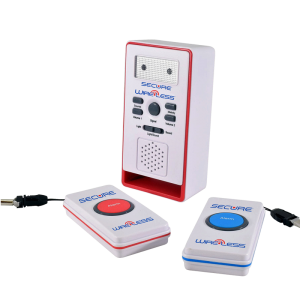
A wireless patient monitoring system uses sensor pads paired with wireless transmitters and a remote alarm monitor. When movement is detected, the signal is sent wirelessly to the caregiver’s monitor rather than through a physical cord, reducing tripping hazards and allowing alerts to be received from another room or monitoring station.
Secure Safety Solutions offers wireless monitoring systems that allow multiple sensors—such as bed and chair pads—to connect to a single monitor:
Wireless monitoring is especially helpful in environments where caregivers cannot remain in the same room at all times, such as in larger homes or multi-room care settings.
Bed Exit Alarms for Seniors: When and Why to Use Them
Bed exit alarms are designed to monitor when a senior attempts to get out of bed. The pressure-sensitive pad is placed under the mattress or on the bed surface. When the senior rises and pressure is removed, the alarm is triggered, alerting caregivers to a potential fall risk.
Secure Safety Solutions offers both wired and wireless bed exit alarm options, including complete bed alarm sets and individual components:
Seniors at risk of nighttime falls Individuals who wake confused or disoriented Patients recovering from surgery or illness Older adults with cognitive challenges
By alerting caregivers early, bed exit alarms help reduce unassisted bed exits, which are a leading cause of fall-related injuries and emergency room visits.
Chair Exit Alarms for Elderly Fall Prevention
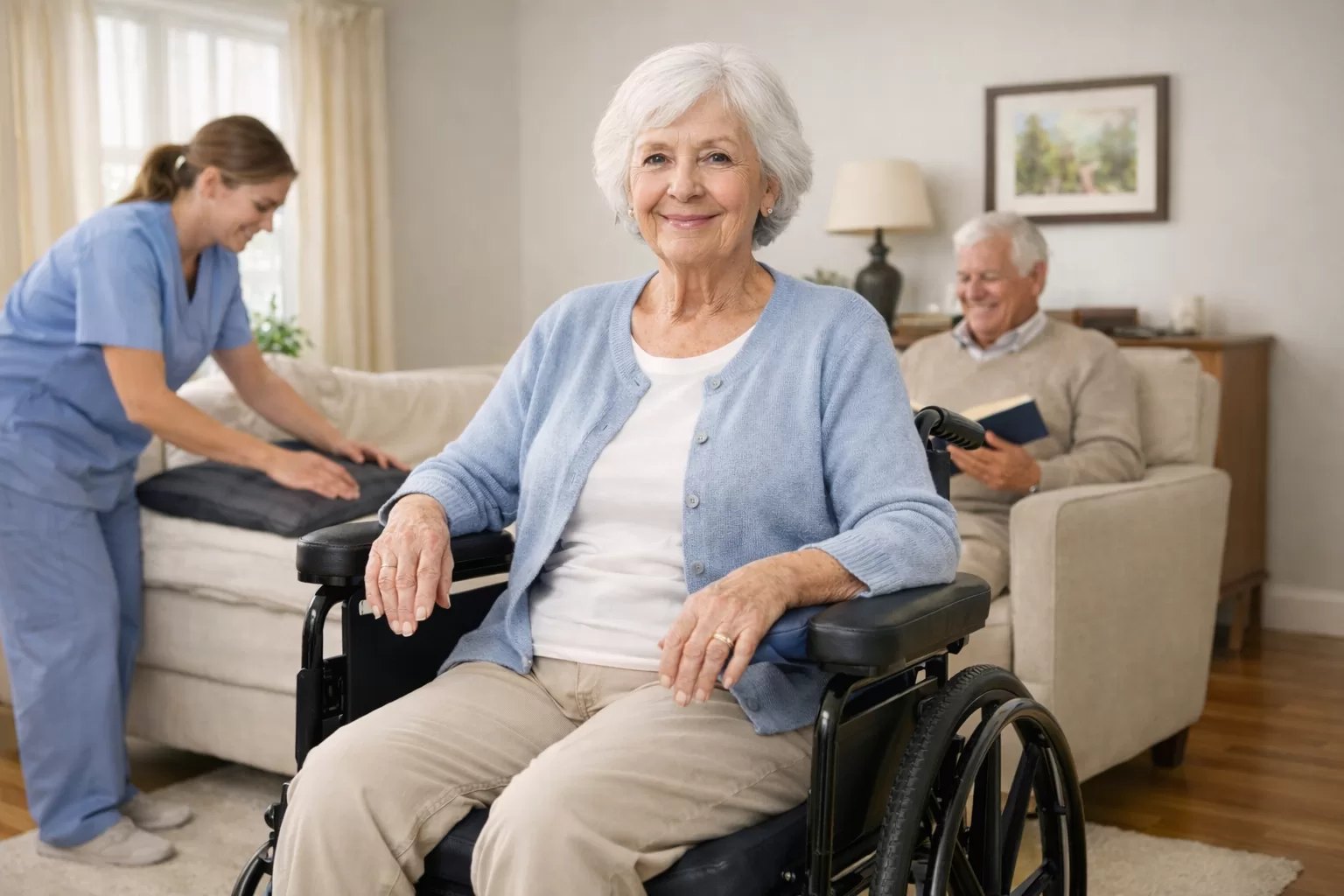
Chair exit alarms function similarly but are designed for seated positions. A pressure-sensitive pad is placed on a wheelchair, recliner, or standard chair. When the senior stands up or shifts significantly, the system sends an alert.
Secure Safety Solutions’ chair exit alarm products, available in both wired and wireless configurations, are suitable for wheelchairs and stationary chairs:
Attempt to stand without assistance Have balance or strength limitationsIn many care environments, chair exit alarms are used alongside bed alarms to provide more comprehensive daily monitoring.
Wireless vs Wired Bed and Chair Alarm Systems
Both wireless and wired fall prevention systems are effective, but each serves different needs.
Wireless systems enable remote alerts and eliminate cords, which can be trip hazards. They are especially beneficial in larger homes or care facilities where caregivers may monitor multiple individuals.
Wired systems are typically more cost-effective and may be sufficient when caregivers are nearby at all times. Secure Safety Solutions offers a wide range of wired bed and chair alarm sets designed for consistent, dependable use:
Choosing between wireless and wired systems often depends on caregiver availability, physical environment, and monitoring priorities.
Fall Risks Increase With Age and Have Serious Outcomes
Falls become more likely as people age. The CDC reports that more than one in four older adults fall each year and that fall death rates are rising across older age groups. Data shows that the unintentional fall death rate for adults aged 65 and older increased significantly over the past two decades, with the most dramatic increases among adults aged 85 and older. Emergency department visits and hospitalizations due to falls remain high, and the long-term effects of serious injuries—such as hip fractures—can include disability, loss of independence, and increased mortality risk.
Who Benefits Most From Fall Monitoring Systems?
Fall prevention bed and chair alarms are beneficial for:
Seniors aging in place at home Individuals with a history of falls Patients with limited mobility or balance issues Older adults with dementia or cognitive impairment Caregivers responsible for overnight or remote monitoring
These systems support caregivers by improving response time and reducing the likelihood of unassisted movements that can lead to injury.
How to Choose the Right Fall Prevention Alarm
When selecting a fall prevention alarm system, caregivers should consider:
The senior’s mobility level and fall history.
Whether monitoring is needed at night, during the day, or both.
Layout of the home or facility Whether wireless monitoring would improve safety and convenience
Systems that allow bed and chair sensors to connect to one monitor can simplify setup and improve coverage.
Final Thoughts on Elderly Fall Prevention Monitoring
Elderly fall prevention bed and chair alarms are valuable tools when used as part of a comprehensive safety and care plan. By providing early alerts, these systems help caregivers respond quickly and reduce the risk of unassisted movement that can lead to injury. Wireless patient monitoring systems and traditional bed and chair exit alarm sets from Secure Safety Solutions offer flexible options for home care and professional environments alike.
Falls among older adults remain a major public health concern, but through targeted interventions, monitoring technologies, and proactive caregiving strategies, risks can be reduced and independence preserved.
Frequently Asked Questions About Fall Prevention Alarms
Do bed exit alarms medically prevent falls?
Bed exit alarms do not physically prevent falls or replace clinical care. However, they are widely used as a fall risk management tool because they alert caregivers when an older adult attempts to get out of bed without assistance. Early notification enables caregivers to intervene promptly, reducing the risk of fall-related injuries.
Are wireless fall prevention alarms safe for home use?
Yes. Wireless patient monitoring systems are commonly used in home care, assisted living, and clinical settings. These systems are designed to meet safety standards for patient monitoring and help reduce environmental risks, such as tripping hazards caused by cords, while supporting caregiver awareness.
Who is most likely to benefit from bed or chair exit alarms?
Bed and chair exit alarms are most often recommended for older adults with a history of falls, mobility limitations, balance impairment, or cognitive conditions such as dementia. They may also be appropriate for individuals recovering from illness or surgery when unassisted movement poses an increased risk.
Can chair exit alarms help reduce fall risk in wheelchair users?
Yes. Chair exit alarms are frequently used for individuals who use wheelchairs or seated mobility devices. By alerting caregivers when a person attempts to stand without assistance, these alarms can support safer transfers and reduce the risk of falls during unsupervised movement.
Can bed and chair alarms be used together safely?
Yes. Many patient monitoring systems are designed to support both bed and chair sensors connected to a single monitor. Using multiple sensors can improve overall monitoring coverage during the day and night, especially for individuals who frequently transition between bed and chair.
Do fall prevention alarms replace medical supervision or treatment?
No. Fall prevention alarms are supportive safety tools, not medical treatments or substitutes for professional care. They should be used as part of a broader fall prevention strategy that may include supervision, environmental modifications, mobility aids, and guidance from healthcare professionals.
Medical Disclaimer This content is for informational purposes only and is not intended as medical advice. Always consult a qualified healthcare professional regarding fall risk assessment, safety planning, and appropriate care for older adults
Proper wheelchair seating is essential for comfort, safety, and long-term health—especially for seniors and elderly wheelchair users. The right wheelchair positioning cushion provides critical support, promotes healthy posture, and helps reduce the risk of discomfort and injury caused by prolonged sitting.
In this guide, we’ll explore why wheelchair positioning cushions matter, how they help prevent issues such as Decubitus ulcers, and which cushion options are best suited for different needs. We’ll also highlight trusted positioning products available from Secure Safety Solutions.
Why Wheelchair Positioning Cushions Are Essential
Wheelchair positioning cushions go far beyond comfort. For elderly individuals and long-term wheelchair users, proper seating plays a vital role in daily safety and overall well-being.
Quality positioning cushions help:
Provide consistent postural support
Improve pelvic and spinal alignment
Reduce friction and shear forces
Deliver effective pressure relief
Lower the risk of Decubitus ulcers (pressure sores)
Increase confidence and stability during daily activities
Because each user has unique mobility and medical needs, choosing the right positioning solution is critical.
Common Types of Wheelchair Positioning Cushions
Wheelchair positioning cushions are designed to address specific challenges, including sliding, poor posture, pressure buildup, and limited trunk control.
Wedge Cushions: Foundational Support and Stability
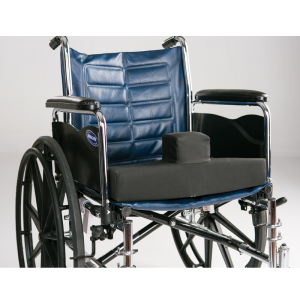
Wheelchair wedge cushions help establish a stable seating surface and improve pelvic positioning. They are especially helpful for seniors who experience slouching or discomfort from standard sling-style wheelchair seats.
Wheelchair Wedge Cushion
A wheelchair wedge cushion gently positions the pelvis to promote upright posture and improve weight distribution. This added support can reduce lower back strain and improve overall comfort for elderly users who sit for extended periods.
Convex and Pommel Cushions: Prevent Sliding and Improve Alignment
Convex and pommel cushions are designed to reduce forward sliding and maintain proper hip positioning. These cushions are frequently recommended for users who require added stability and leg alignment.
Wheelchair Convex Pommel Cushion
This cushion helps prevent forward sliding while promoting proper hip and leg positioning. It is particularly useful for seniors who need consistent seating support throughout the day.
Convex seat support cushions, also called rigidizers, help fill the gap created by sling-style wheelchair seats, providing a flatter, more supportive seating surface. A solid seat insert acts as a cushion foundation and stabilizer, maintaining the shape and positioning of gel, foam, or air cushions on sling-style wheelchair seats. This design enhances posture and comfort while supporting long-term seating needs.
Gel and Pressure-Relief Cushions: Protecting Skin and Comfort
Pressure relief is a major concern for elderly wheelchair users, particularly those at risk of Decubitus ulcers. Gel and pressure-relief cushions help distribute weight evenly and minimize pressure on sensitive areas.
Gel & Comfort Foam Seat Cushions
Gel seat cushions conform to the user’s body, offering excellent pressure relief and improved comfort. They are ideal for seniors who remain seated for long periods and need enhanced pressure relief to prevent pressure sores.
Lap and Armrest Cushions: Added Positioning and Upper-Body Support
Positioning solutions often extend beyond the seat itself. Lap and armrest cushions help maintain midline posture and provide additional upper-body comfort and security.
Easy-Release Wheelchair Lap Cushion
Often referred to as a lap buddy, this cushion provides gentle positioning support across the lap while helping users maintain proper alignment. The built-in safety attachment strap allows caregivers to quickly and safely secure or release the cushion.
Armrest cushions provide essential support for the arms, elbows, and shoulders. They help reduce fatigue and pressure for elderly wheelchair users who spend extended time seated.
Selecting the appropriate cushion depends on the individual’s physical needs and daily routine. Consider the following:
Mobility and Stability
Some seniors need minimal support, while others require structured positioning to prevent sliding or leaning.
Pressure Relief Needs
Users at risk for skin breakdown or Decubitus ulcers benefit most from gel or pressure-relief cushions.
Postural Support Goals
Wedge, convex, and pommel cushions help improve alignment and seating posture.
Safety Features
Look for cushions with a safety attachment strap to ensure secure placement during daily use and transfers.
Tips for Caregivers Supporting Seniors and the Elderly
To get the most benefit from wheelchair positioning cushions:
Ensure proper fit for the wheelchair seat
Recheck positioning regularly throughout the day
Monitor skin condition for early signs of pressure areas
Combine seat cushions with lap buddy or armrest supports when needed
Final Thoughts: Comfort, Safety, and Long-Term Support
Wheelchair positioning cushions play a crucial role in maintaining comfort, posture, and skin health for seniors and elderly individuals. With the right combination of seating support, pressure relief, and secure positioning, caregivers can help reduce discomfort, improve safety, and enhance quality of life.
Explore the full range of Secure Safety Solutions wheelchair positioning solutions from Secure Safety Solutions to find the right support for your needs.
Smart Fall Prevention for a Safer, More Independent Life
Falls are among the most serious risks facing older adults, patients with dementia, and individuals with mobility challenges. According to the CDC, millions of seniors experience falls each year—often resulting in injury, hospitalization, or loss of independence. For caregivers, preventing these incidents is both a priority and a constant challenge.
The Secure® Wireless Patient Monitoring System offers a simple, effective way to reduce this risk by giving caregivers the tools they need to monitor patients safely—without intrusive cords or constant supervision.
What Is the Secure® Wireless Patient Monitoring System?
The Secure® Wireless Patient Monitoring System is an advanced, cordless fall prevention solution designed to alert caregivers the moment a patient attempts to exit a bed, chair, or wheelchair—or steps onto a floor mat sensor.
The system is made up of three key components:
Wireless Sensor Pads or Mats – Available in bed, chair, and floor configurations, these pressure-sensitive pads detect movement when a patient stands or shifts weight.
WAT-1R Transmitter (WAT-1R) – Connects to the sensor pad and sends a signal when pressure changes are detected.
WAM-1R Alarm Monitor (WAM-1R) – Receives alerts from up to three transmitters simultaneously, instantly notifying caregivers with sound, flashing lights, or both.
Together, these components create a reliable, cord-free monitoring network that helps caregivers respond before a fall occurs.
How It Works: Reliable Wireless Monitoring
When a patient or resident moves from a monitored surface—such as getting out of bed, rising from a chair, or stepping on a floor mat—the transmitter immediately sends a wireless signal to the alarm monitor within a range of up to 150 feet. The monitor sounds an audible alert and activates a flashing light, notifying the caregiver to assist the patient right away.
This bi-directional 2.4GHz wireless communication ensures a secure, stable, and interference-free connection—so caregivers can depend on it day and night.
The system’s pause and delay features also help reduce false alarms caused by normal movement or repositioning, providing accurate, reliable alerts when they matter most.
Why Choose a Wireless System Over Traditional Fall Alarms?
Traditional wired bed and chair alarms can create clutter and even pose tripping hazards. The Secure® Wireless Patient Monitoring System eliminates cords entirely, enabling safer, more flexible placement. Caregivers can keep the alarm monitor outside the patient’s room to minimize disturbance while still maintaining full awareness of patient movement.
Key benefits include:
Cord-free safety: Eliminates tripping and in-room noise.
Multiple monitoring options: Connect up to 3 sensors simultaneously to one wireless alarm monitor.
Long-range reliability: Monitor patients remotely—ideal for multi-room or shared living settings.
Durability and hygiene: Sensor pads are antimicrobial, incontinent-proof, and latex-free.
Professional-grade design: Trusted by healthcare facilities and home caregivers worldwide.
Trusted by Caregivers, Hospitals, and Nursing Homes Since 1991
For more than three decades, Secure Safety Solutions has been a leading innovator in fall prevention and patient safety technology. Our systems are used in hospitals, nursing homes, assisted living facilities, and private homes across the globe.
Every Secure® product is built to deliver long-term performance, ease of use, and caregiver confidence—because patient safety isn’t optional; it’s essential.
Ideal for:
Elderly adults and fall-risk patients
Individuals with dementia, Alzheimer’s, or mobility challenges
Rehabilitation centers and physical therapy environments
Professional caregivers and home health aides
How to Get Started
Setting up the Secure® Wireless Patient Monitoring System is simple. Choose the right sensor type for your environment:
Wireless Floor Mat Sensor – Triggers an alert when stepped on, ideal for doorways or bedside monitoring.
Each sensor connects to the WAT-1R Transmitter, which communicates instantly with the WAM-1R Alarm Monitor. Batteries are included, and setup takes only minutes.
Peace of Mind Through Innovation
The Secure® Wireless Patient Monitoring System empowers caregivers with real-time awareness and gives patients the freedom to move safely and independently. With advanced wireless technology, durable construction, and over 30 years of trusted performance, Secure Safety Solutions continues to lead the industry in fall management and wandering prevention patient safety solutions.
Protect your loved ones or residents today with the most dependable, professional-grade wireless patient monitoring system available.
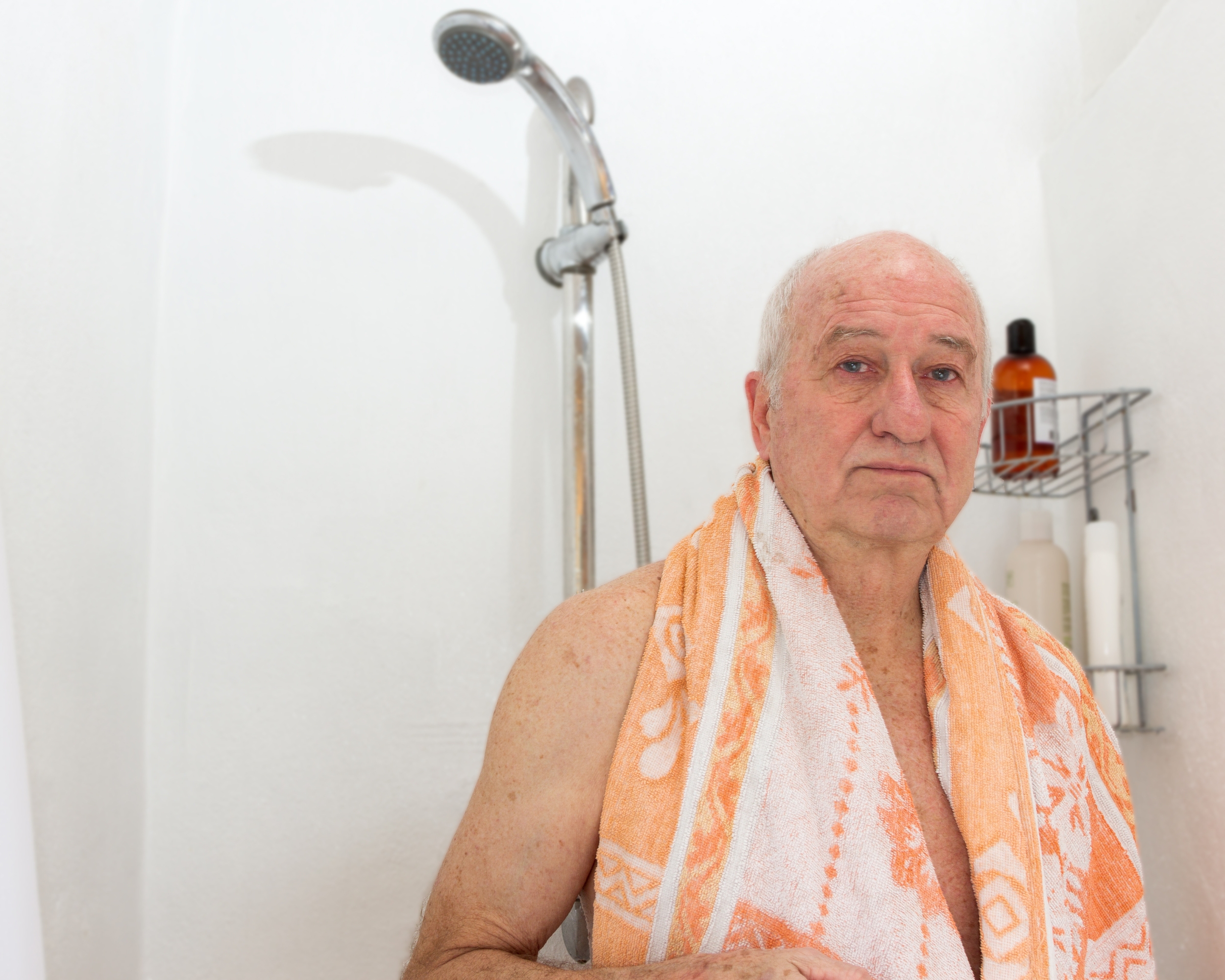
Falls are one of the most common causes of injury among older adults, and the bathroom is often the riskiest place in the home. Slippery tiles, wet floors, and soap residue all create hazardous conditions. For seniors, a single fall can lead to serious consequences, such as fractures, hospitalization, or loss of independence. That’s why preventive measures are so important—and one simple, effective tool is Secure non-slip shower shoes for elderly fall prevention.
Why Bathrooms Are High-Risk Zones
Bathrooms combine two major fall hazards: water and hard surfaces. Even with grab bars or non-slip mats, there’s still a chance of slipping, especially while standing in the shower. Reduced balance, slower reflexes, and health conditions like arthritis or muscle weakness can increase the risk for elderly individuals.
Improved traction: Rubber soles with textured grip reduce slipping on wet, soapy floors.
Foot protection: They act as a barrier against sharp objects, fungal infections, and bacteria often found in damp environments.
Better stability: A snug but comfortable fit helps seniors maintain balance while moving around the shower.
Peace of mind: Knowing there’s an extra layer of protection can reduce anxiety and make showering a more relaxing experience.
Features to Look For
When choosing non-slip shower shoes for elderly loved ones, consider the following features:
Open-toe or quick-dry design to prevent water pooling
Lightweight, cushioned soles for comfort
Adjustable straps for a secure fit
Easy-to-clean materials like EVA or rubber
Wide, supportive base to enhance balance
Independently tested rubber soles: Secure Non-Slip Shower Shoes are proven to resist slipping on slick, wet surfaces—like having a shower mat on your feet!
A Simple Step Toward Independence
For many seniors, maintaining independence at home is a top priority. Something as small as a reliable pair of non-slip shower shoes can make a huge difference. By lowering the risk of falls, these shoes not only protect physical health but also support confidence and dignity in daily routines.
Non-slip shower shoes are an affordable, practical, and effective fall-prevention tool for elderly individuals. Paired with other safety measures like grab bars, shower chairs, and proper lighting, they help create a safer bathroom environment and contribute to overall well-being.
Bed alarms and chair alarms for the elderly are essential safety tools designed to prevent falls and wandering. These monitoring devices notify caregivers when a senior at risk of falling attempts to leave a bed or chair. Whether used at home, in assisted living facilities, or in nursing homes, alarms allow caregivers to respond quickly and protect their loved ones.
In this guide, you’ll learn how bed and chair alarms work, the different types available, and how they fit into a complete fall prevention strategy.
The Risks of Falls in Seniors
Falls are one of the leading risks for older adults. In fact, one in four seniors experiences a fall every year. To reduce this risk, families and caregivers must take proactive steps. Bed exit alarms, chair alarms, and wheelchair alarms act as early warning systems, alerting caregivers before accidents happen. These devices significantly improve safety while offering peace of mind to families.
Understanding Elderly Wandering
For seniors with dementia, wandering can be just as dangerous as falling. Bed sensor alarms and chair alarms help caregivers act immediately when a loved one attempts to get up or leave an area unsupervised. Whether at home or in a care facility, these alarms create a safer environment and help prevent serious accidents.
What Is a Bed Alarm?
A bed alarm is a device designed to detect when someone tries to get out of bed, alerting caregivers with an audible sound and flashing light. Some models offer multiple alarm tones to choose from. These patient safety aids are valuable in nursing homes, hospitals, assisted living facilities, and even at home, especially where caregivers cannot be present around the clock to monitor patients at risk of falling.
Types of Bed Alarms
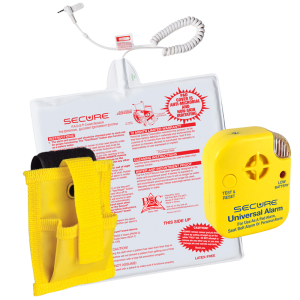
Pressure Pad Alarms: These bed sensor alarm pads are placed under the bedsheet, beneath the patient’s buttocks or upper back. A caregiver alert is triggered when pressure is removed from the pad as the senior attempts to get out of bed.
Wireless Bed Alarms: Wireless bed and chair alarms, such as the Secure Wireless Patient Monitoring System and the Secure Caregiver Alert System, utilize wireless technology to send remote alerts to caregivers, even from afar. The alarm monitor can be relocated from the patient room to the nurse station or any other location where the caregiver needs to monitor the patient. The Caregiver Alert System also includes a wireless pager that allows caregivers to be notified from up to 500 feet away from the patient room.
Motion Sensors: Wireless motion sensors monitor movement around a bed or doorway, making them ideal for individuals prone to wandering.
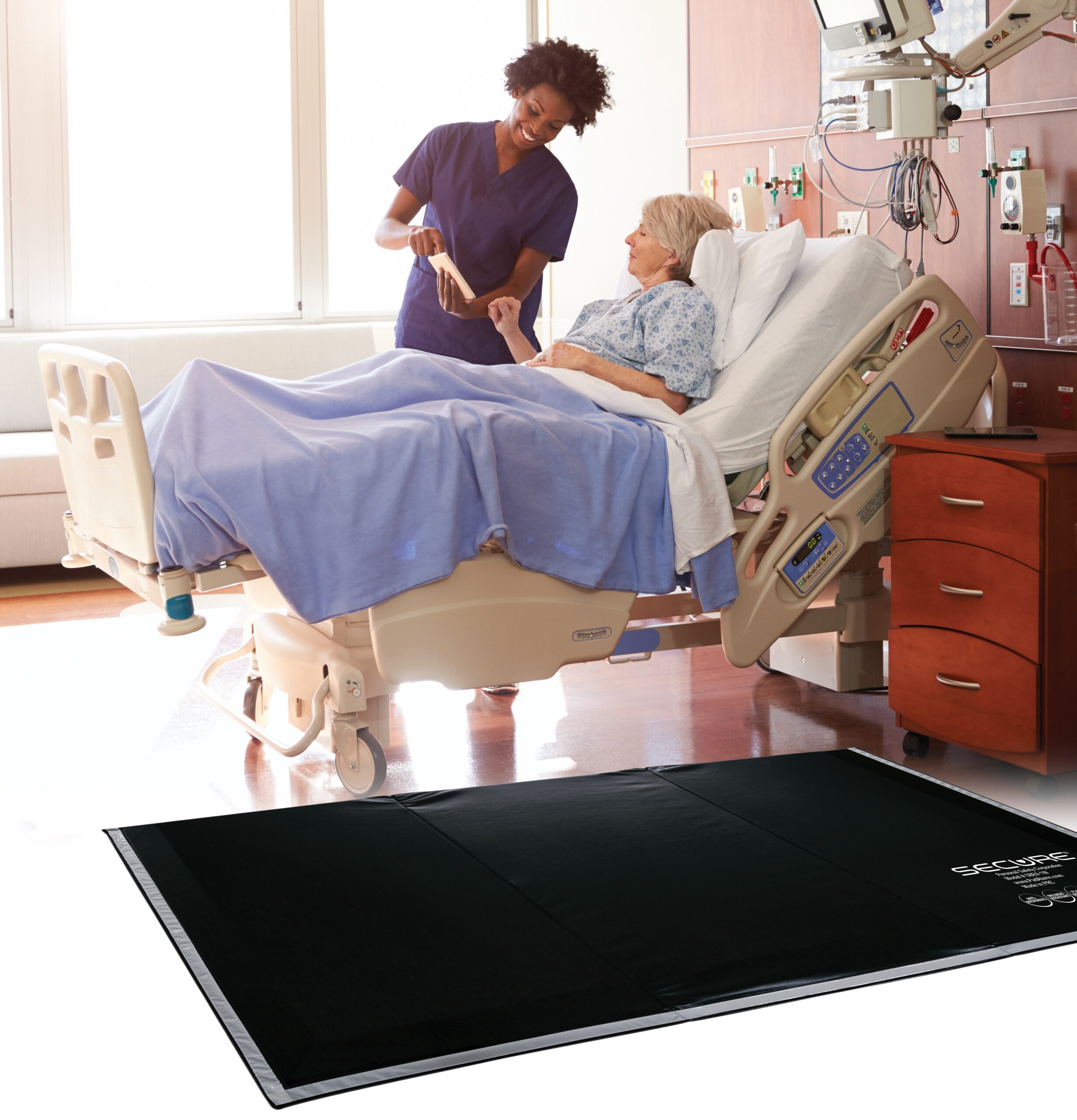
Floor Mat Alarms: A floor alarm is an excellent addition to a facility’s fall management strategy. The floor mat is placed beside the bed, and the alarm monitor sounds when a patient steps on the mat while trying to get out of bed. This enhances patient safety by reducing the risk of falls and wandering.
Chair Alarms for Seniors: Chair alarms and wheelchair alarms, like bed alarms, detect when a person attempts to leave their chair or wheelchair. Both wired and wireless options are available to meet your caregiving needs.
How Do Bed Alarms Work?
Bed alarms for elderly patients function by detecting movement using various technologies such as weight-sensing pressure pads, pull cords, or motion sensors. When a patient attempts to get out of bed, the alarm is triggered, allowing caregivers to respond promptly. Systems like the Secure Wireless Bed Alarm offer remote monitoring, enabling caregivers to receive alerts even when they are away from the patient’s room. Additionally, silent bed alarms are available for environments where loud alarms could be disruptive, ensuring the safety of fall-risk individuals without causing unnecessary disturbances.
Benefits of Using Bed Alarms
Using a bed alarm system for elderly care has multiple benefits:
Fall Prevention – Bed alarms can reduce the risk of falls by providing timely alerts to nurses and caregivers.
Wandering Prevention – Bed sensor alarms for seniors can notify caregivers before an elderly individual wanders off unattended.
Peace of Mind – With devices like bed alarms for seniors at home, caregivers can rest assured knowing they’ll be notified immediately if their loved one tries to get out of bed at any time, day or night.
Choosing the Right Bed Alarm
When selecting a bed exit alarm, consider factors such as:
Type of Alarm – Decide between pressure sensor pads, pull-cord clip alarms, motion sensors, or floor mats depending on the patient’s needs. Wireless bed alarms provide remote monitoring and reduce alarm noise in patient rooms.
Power Source – Battery-powered or AC-adapter models.
Features – Look for alarms that offer customization options, such as silent or wireless alarms, like the Secure Caregiver Alert System. The best bed alarm for the elderly will depend on your specific situation.
Additionally, check the reviews for our top-rated bed alarms for seniors on platforms like Amazon and Walmart.
Are Bed Alarms Covered by Medicare?
A common question is whether Medicare covers bed alarms. Original Medicare (Parts A and B) does not cover bed alarms for fall prevention in the home, as these devices are not classified as durable medical equipment (DME) under Medicare guidelines. However, some Medicare Advantage (Part C) plans may offer coverage for medical alert systems, including bed alarms, depending on the specific plan and provider. It’s advisable to check with your specific Medicare Advantage plan, Medicaid office, or local agencies to determine available coverage or assistance programs for bed alarms.
How to Use Bed Alarms Effectively
Proper Placement
Bed Sensor Pads – Place under the buttocks or upper back, flat and wrinkle-free.
Chair Pads – Position directly on the seat without extra cushions.
Floor Mats – Lay beside the bed or across doorways.
Testing and Maintenance
Regularly check batteries, cables, and volume levels. Confirm the alarm connects properly to monitoring systems.
Training and Response
Caregivers and staff should be trained to:
Respond immediately to all alerts.
Reset or troubleshoot alarms correctly.
Reassess care plans if alarms are triggered frequently.
Additional Considerations
Document the use of alarms in the patient’s care plan and reassess their need regularly.
Alarms should be part of a broader fall prevention strategy that includes risk assessments, mobility aids, and environmental safety checks.
Respect patient dignity and autonomy—use alarms in a way that supports safety without creating a sense of restriction or surveillance.
Best Bed Alarms for Seniors
The best alarm will depend on your caregiving needs. Wireless alarms offer flexibility, while floor mat alarms are particularly suitable for seniors who are prone to wandering. Reading reviews and comparing features ensures you choose the right system for your situation.
Enhancing Patient & Resident Safety with Bed and Chair Alarms
Bed and chair alarms for the elderly are proven tools in fall prevention and safety monitoring. They provide real-time alerts, enabling caregivers to respond promptly and minimize the risk of injury. Whether you’re caring for a loved one at home or managing safety in a care facility, these devices offer an added layer of protection and peace of mind.
Investing in the right bed or chair alarm is one of the best steps you can take to keep seniors safe, independent, and supported.
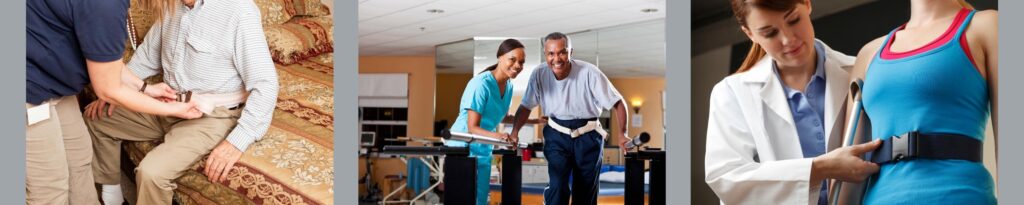
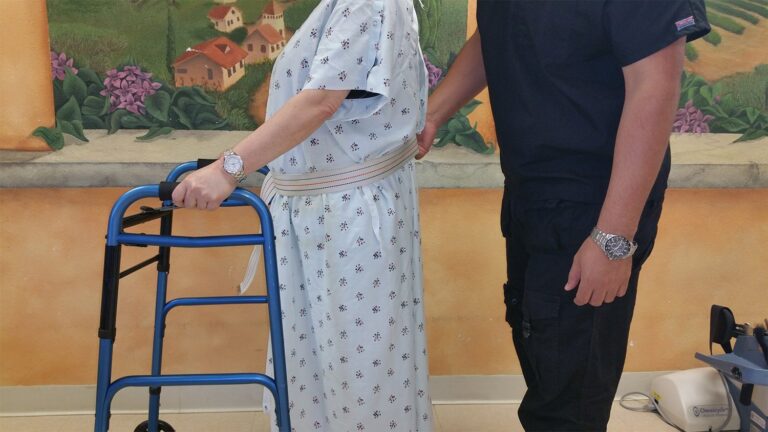
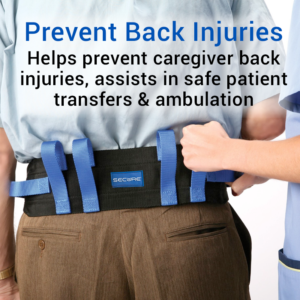
A gait belt—also called a transfer belt, walking belt for seniors, or even a medical belt—is one of the simplest yet most effective mobility aids available. It provides support and stability during transfers, protects caregivers from strain, and reduces the risk of falls for patients.
When used correctly, transfer belts promote independence, improve mobility, and ensure safer transfers for seniors and patients at risk of falls. This guide explains the benefits of gait belts, preparation, positioning, and safety tips for caregivers, nurses, and physical therapists.
Benefits of Using a Gait Belt
Gait belts, often misspelled as gate belts, are versatile patient safety devices commonly used in hospitals, nursing homes, and at home. They’re also a common tool in physical therapy (PT) to rebuild strength and mobility.
Key benefits include:
Elderly fall prevention: Lowers the risk of falls during transfers and walking.
Injury prevention: Protects caregivers’ backs while assisting patients.
Cost-effective: Cheaper and simpler than mechanical lifts.
Multi-purpose use: Functions as a belt to help lift seniors, guide walking, or stabilize during therapy.
How Gait Belts Support Mobility and Independence
Assist with transfers: Provides stability when moving from bed to wheelchair or chair.
Enhance daily activities: Transfer belts help seniors complete tasks like dressing or toileting with less risk.
Facilitate therapy: Physical therapists use gait belts in PT to safely help patients practice walking and transfers.
Preparing for Use
Before using a transfer belt, preparation is key:
Select the right belt: Choose the length, width, and material based on the patient’s needs.
Check sizing: Ensure a snug but comfortable fit around the waist.
Fasten securely: Confirm the buckle is locked before beginning movement.
Prioritize hygiene: Keep the medical belt clean and always wear it over clothing to prevent skin irritation.
Proper Positioning
Positioning affects safety and comfort:
Place the belt around the waist, aligned with the center of gravity.
Avoid placing it too high or too low.
Adjust tightness for support without restricting breathing.
Double-check buckle security.
Maintain communication with the patient during transfer.
Tips for Safe and Effective Use
To ensure safe transfers:
Avoid mistakes such as poor placement or incorrect sizing.
Use mechanical lifts if a gait belt isn’t suitable.
Always keep a layer of clothing under the belt.
Train caregivers in safe practices for elderly fall prevention.
Use two caregivers when assisting heavier or unstable patients.
Why Gait Belts Are Essential
A gait belt—whether called a transfer belt for elderly, gate belt, or walking belt for seniors—is a trusted patient safety device for hospitals, long-term care, and home caregiving. It reduces fall risks, prevents injuries, and supports independence.
For seniors, people with disabilities, and anyone at risk of falling, gait belts are reliable mobility aids that make transfers, walking, and therapy safer. By using them correctly, caregivers and healthcare professionals can ensure both comfort and security.
Step-by-Step: How to Transfer a Patient with a Gait Belt
Follow these steps to ensure safety for both patient and caregiver:
Explain the process
Tell the patient what you’re about to do to reduce anxiety and encourage cooperation.
Position the gait belt
Wrap the belt snugly around the patient’s waist, over clothing (not directly on skin).
Make sure the buckle is centered and fully secured.
Check fit and comfort
The belt should be snug but not tight—you should be able to slip two fingers underneath.
Prepare the environment
Remove obstacles and make sure the wheelchair, chair, or bed is secure and locked.
Use proper body mechanics
Bend at your knees, not your back.
Keep your feet shoulder-width apart for stability.
Assist the patient to stand
Place your hands firmly on the belt (or use handles if available).
Ask the patient to push from the bed or chair while you guide them upward.
Pivot and transfer
Guide the patient in a controlled pivot motion toward the target chair or bed.
Encourage small steps if needed.
Help the patient sit safely
Slowly lower the patient into the chair or bed, keeping a firm grip on the gait belt until they are stable.
Remove the gait belt
Unbuckle carefully and store the belt for future use.
Falls in healthcare settings are common—and often preventable. Older adults and patients with mobility challenges face a higher risk of fall-related injuries, which can lead to fractures, hospitalizations, and even long-term decline.
One simple yet effective solution is the bedside fall mat. Also called crash mats for elderly or padded bedside crash mats, these products provide a cushioned surface next to the bed, minimizing the risk of severe injuries. Whether in hospitals, nursing homes, or private homes, floor mats for seniors falling out of bed are a critical part of modern fall prevention strategies.
Why Use Bedside Fall Mats?
Reduce Fall-Related Injuries
Elderly fall mats and senior fall protection floor mats cushion impact, lowering the chance of fractures, sprains, or head trauma. By absorbing force, they help keep seniors safer at home and in care facilities.
Support Patient Safety and Caregiver Confidence
The use of hospital fall mats for patient safety and nursing home fall prevention mats demonstrates a facility’s commitment to reducing accidents. For families, bedroom safety mats for elderly loved ones provide peace of mind.
Modern Technology Enhances Safety
Today’s fall protection mats for bedside safety include features such as:
Non-slip fall mats for seniors to prevent the mat from shifting on the floor
Beveled edge floor mats that lower trip hazards and allow easy wheelchair, walker, or medicine cart access
Compared to treating fall-related injuries, fall prevention mats for elderly are an affordable investment. They reduce liability for healthcare facilities while protecting vulnerable patients.
Identifying Patients at Risk of Falls
Not every patient requires a fall mat, but many benefit from using one. Risk assessments help determine when the best floor mats for elderly fall prevention should be used. Providers should consider a patient’s medical history, medications, mobility, vision, and cognitive function.
Environmental modifications—such as grab bars, improved lighting, hip protectors, non-slip socks, and senior fall protection floor mats—add additional safeguards.
Strategies for Implementing Fall Mats
1. Facility Evaluation
Identify high-risk areas like bedrooms, bathrooms, and hallways. In nursing homes, placing fall protection mats for bedside safety in rooms with a history of falls is highly effective.
2. Staff Training
Educate staff on the proper placement of hospital fall mats for patient safety and how to clean and maintain them.
Place padded bedside crash mats beside the bed where the patient most often enters or exits. In some cases, floor mats for seniors falling out of bed should be placed on both sides for extra protection.
5. Monitor Effectiveness
Track incidents and evaluate whether cushioned bedside floor mats are reducing injuries. Adjust placement and strategy based on patient needs.
Safer Patient Care with Fall Mats
Crash mats for elderly patients, also known as bedroom safety mats for elderly, are simple, affordable, and highly effective. They lower the risk of fall injuries, support caregivers, and improve safety in homes, hospitals, and nursing facilities.
By investing in the best floor mats for elderly fall prevention, caregivers and healthcare providers can create safer environments and reduce the devastating impact of falls.
Frequently Asked Questions About Bedside Fall Mats
Do crash mats for elderly really prevent injuries?
Yes. Crash mats for elderly provide a cushioned, non-slip surface beside the bed to absorb impact from falls. By reducing force, they lower the risk of fractures, sprains, and head injuries.
What are elderly fall mats used for?
Elderly fall mats, also called fall prevention mats for elderly, are designed to reduce injuries from falls out of bed. They are commonly used in hospitals, nursing homes, and home care environments to protect seniors at high risk of falling.
Where should floor mats for seniors falling out of bed be placed?
Floor mats for seniors falling out of bed should be placed directly beside the bed, ideally on the side the senior uses most. In higher-risk cases, mats may be placed on both sides or near chairs and toilets for added protection.
What is the benefit of a beveled-edge floor mat?
A beveled-edge floor mat allows smoother transitions for wheelchairs, walkers, medicine carts, and staff while reducing trip hazards. This feature makes cushioned bedside floor mats safer and easier to use in both clinical and home environments.
What are the best floor mats for elderly fall prevention?
The best floor mats for elderly fall prevention are:
Non-slip fall mats for seniors that won’t shift on the floor
Padded bedside crash mats with cushioned surfaces
Senior fall protection floor mats that are easy to clean and low-profile
Options with beveled edges to reduce tripping hazards
Caregiving is both rewarding and challenging. While supporting a loved one can bring purpose and fulfillment, it also places significant physical and emotional demands on caregivers. To provide the best care, it’s crucial to prioritize your own health and well-being.
Self-care for caregivers is not a luxury—it’s a necessity. By integrating simple but powerful self-care practices into your daily routine, you can reduce stress, build resilience, and maintain the strength needed to care for others effectively.
Pursue Personal Growth While Caregiving
Balancing caregiving with personal goals is possible. Online education, such as earning a psychology degree, offers flexibility to study while managing caregiving responsibilities. This path not only helps you expand your knowledge of human behavior but also equips you with tools to better support your loved one.
Flexible online programs allow you to learn at your own pace, ensuring that your professional growth continues without compromising the care you provide.
Build Emotional Resilience
Caregiving often comes with stress and emotional strain. Attending workshops, webinars, or support groups focused on caregiver well-being can help you:
Manage stress effectively
Prevent caregiver burnout
Learn strategies from experts and peers
Developing emotional resilience gives you the ability to cope with challenges while maintaining your mental and emotional health.
Practice Mindful Breathing for Stress Relief
Mindful breathing is a simple yet powerful technique that helps caregivers stay grounded. By focusing on slow, intentional breaths, you can:
Reduce anxiety and stress
Improve focus and emotional balance
Promote overall relaxation
Practicing mindful breathing daily builds long-term resilience and offers a healthy way to reset during overwhelming moments.
Join Group Activities for Connection and Stress Relief
Engaging in group activities, such as yoga or meditation classes, offers multiple benefits:
Physical exercise for improved strength and energy
Mental health benefits, including reduced stress
Social support from like-minded individuals
Group activities not only strengthen the body but also create valuable community connections, reducing the isolation caregivers sometimes feel.
Start a Gratitude Journal
A daily gratitude journal can help caregivers shift focus from challenges to positive experiences. Writing down even small moments—like a kind word or a peaceful walk—can:
Foster optimism and resilience
Improve emotional well-being
Provide a record of uplifting experiences to revisit
This simple practice builds a positive outlook, which is vital in managing the emotional demands of caregiving.
Use Vision Boards for Motivation
Creating a vision board can be a powerful self-care tool. By collecting images and words that reflect your goals and dreams, you can:
Stay motivated during difficult times
Build confidence in your ability to reach goals
Visualize a balanced, fulfilling future
For caregivers, vision boards act as a daily reminder of hope, positivity, and the importance of personal growth.
Why Self-Care Is Essential for Caregivers
Incorporating self-care strategies into your caregiving routine isn’t selfish—it’s vital. By caring for your own health and well-being, you:
Improve your capacity to support your loved ones
Prevent burnout and maintain energy
Remain compassionate, patient, and resilient
Remember: caregiver well-being directly impacts the quality of care you provide. Taking care of yourself ensures that you remain a strong, dependable support system for those who rely on you.
Conclusion: Prioritize Caregiver Well-Being
Balancing caregiving with self-care is the key to long-term sustainability. Whether through mindful breathing, personal growth, gratitude journaling, or group activities, these practices can help you stay resilient and energized.
Self-care is not optional—it’s the foundation of effective caregiving.
Discover peace of mind with Secure Safety Solutions, offering expert advice and top-rated fall prevention products designed to keep your loved ones safe.
Frequently Asked Questions About Caregiver Self-Care
How can caregivers avoid burnout?
Caregivers can avoid burnout by practicing regular self-care, setting healthy boundaries, and asking for help when needed. Simple strategies such as mindful breathing, exercise, and joining support groups can reduce stress and improve resilience.
What is the best self-care activity for caregivers?
The best self-care activity depends on personal preference, but popular options include yoga, journaling, and gratitude practices. These activities help manage stress, improve mental health, and provide a sense of balance.
Why is self-care important for caregivers?
Self-care is important for caregivers because it prevents exhaustion, reduces stress, and ensures they can provide effective, compassionate support to loved ones. A caregiver’s well-being directly impacts the quality of care they give.
Can caregivers balance personal goals with caregiving?
Yes. Caregivers can balance personal goals by choosing flexible options, such as online education or part-time activities. This allows them to pursue growth while still meeting caregiving responsibilities.
Would you like to help caregivers of senior loved ones as they navigate the healthcare system? Finding the right specialist, filing medical and insurance forms, and driving to and from appointments leave little time for caregivers to take care of themselves. And since the demand is so high, why not start a business in the field? Here are a few tips, courtesy of Secure Safety Solutions, to help you get started.
1. Become an Advocate
If you have a passion for helping people and you have a background in social services, billing services, or have some experience in the medical field, you might be considering becoming an advocate for caregivers.
You could do things like assist them in dealing with paperwork, insurance, and billing issues, or accompany them to doctors’ visits so you can ask the right questions, take important notes regarding therapies and medications, and be a calming and comforting presence during hospital stays or stressful exams. Caregivers of loved ones are often thrown into the role without much preparation, so by becoming their advocate, you’ll greatly help them navigate the unknown.
2. Start a Home Care Business
Often, what caregivers need the most is the availability of respite care for their loved ones. Providing such a service will allow caregivers to get some much-needed time for themselves, which in turn will prevent fatigue and burnout. Respite care can be done in the patient’s home or in your own home, depending on the senior’s level of mobility and ability to travel.
If you’ll be welcoming seniors in your own place, make sure it is wheelchair-accessible and in compliance with disability laws and regulations to avoid accidents and other safety concerns. And if you’re helping dementia or Alzheimer’s patients, invest in games and activities that will keep them mentally and physically engaged while their caregiver takes a break.
3. Create a Business Plan
Once you’ve decided what kind of services you want to provide to caregivers, your next step is to turn your idea into a reality by forming a business. When starting a new company, write a business plan describing your goals, strategies, and marketing ideas, and do some financial forecasting to help attract investors. Make sure your business plan is detailed and well-thought-out to secure bank loans, as well as to entice potential partners and employees to join you in your endeavor.
4. Get Funding
When starting a new business, securing the necessary funding to get things off the ground is one of the biggest challenges. This can be particularly difficult for first-time entrepreneurs who may lack a solid business plan or credit history. However, there are ways to obtain the funding that you need, even if your credit score isn’t great.
For example, you may be able to take out a loan using your personal assets as collateral and offering up other forms of collateral like real estate. Additionally, some investors may be more willing to work with startup founders who are committed and passionate about their ideas. Finally, you can also examine your credit report closely, looking for ways to improve your financial health and making any necessary changes to be in a better position to obtain funding down the road.
5. Earn an Advanced Degree
Earning a Master of Science in Nursing online is a key to success for those looking to enhance their career in the senior care business. This advanced degree offers a pathway to specialized knowledge in gerontology and chronic care management, equipping you with the skills necessary to improve the quality of care for the elderly.
Online degree programs provide the flexibility needed to balance both full-time work and studies, allowing you to apply new knowledge directly to your professional setting in real time. By pursuing your master’s degree online, you not only expand your expertise but also position yourself as a leader in a vital and growing field.
6. Use Tools to Operate and Stay Organized
Businesses must be well-organized in order to stay on top of their books, customers’ needs, employee relations, and so forth. For a senior care business, establishing a solid bookkeeping and invoicing system is crucial for ensuring smooth operations and financial stability. This system helps in accurately tracking expenses, payments, and financial performance, which is essential for the sustainability of services that cater to the elderly.
By using a free online invoice tool, you can create custom invoices that are tailored to the unique needs of your business and clients. These tools offer an invoice example feature and allow you to choose from dozens of templates, fonts, and design elements, making your invoices not only professional but also reflective of your brand’s commitment to quality care. This approach not only streamlines your billing process but also demonstrates your professionalism and attention to detail, reinforcing trust with your clients and their families.
A few other tools worth considering are scheduling apps, communication platforms, and medical terminology apps. The key is to be nimble and organized – no small feat when you’re juggling documentation, appointments, and so forth. Electronic tools will make your and a senior’s life easier.
7. Purchase the Appropriate Supplies
Ensuring the safety and well-being of your clients is paramount, which means having the right care equipment is crucial. Investing in fall prevention and anti-wandering equipment such as fall alarm monitors, wireless patient monitors, hip protectors, and bedside safety floor mats can significantly reduce the risk of injuries in the elderly. These tools not only provide essential safety measures but also peace of mind for both caregivers and families.
Secure Safety Solutions is a recommended supplier for these critical safety products, known for their quality and reliability. Equip your business with their comprehensive range of care equipment to ensure you are fully prepared to meet the needs of those in your care.
8. Advertise on Social Media
When you’re ready to start working as a caregiver or managing a caregiving company, you can find clients through word-of-mouth, by talking to doctors and healthcare providers, and by visiting or volunteering at hospitals and nursing homes. Referrals are the best way to gain new clients, so if your services are top-notch and you’ve earned the trust of a few people, ask them to leave a positive review on your website.
Through social media, you’ll be able to engage with clients and share useful information so your customers will always have access to the latest news about your company, including location, business hours, services offered, and client testimonials.
If you want to make a difference and serve your community, start a business and become an advocate for caregivers and help people deal with the ins and outs of senior healthcare. Advertising your business on social media will help you find new clients. Strive to offer the best services and get referrals, and your new venture will be a resounding success.
Caring Senior Service is a non-medical home care provider that gives entrepreneurs the tools and knowledge they need to help seniors and the disabled population in their communities. Find out if there are businesses for sale in your area.
Transform your bedroom into a sanctuary of safety and comfort with our expert guide offering practical tips to prevent falls, enhance circulation, and ensure bedding hygiene.
Key Takeaways
Quality sleep reduces the risk of obesity, type 2 diabetes, high blood pressure, heart disease, and early mortality.
Older adults—especially those with chronic conditions—are at higher risk for poor circulation that disrupts sleep.
Spending long hours in bed or managing incontinence increases the risk of pressure ulcers and dermatitis.
Older adults are 3.5× more likely to die in home fires than the general population.
Your bedroom should feel like a sanctuary. Yet it can hide risks for older adults—from nighttime falls to circulation problems. Use this guide to create a safer, more comfortable space that supports deep, restorative sleep.
Why Bedroom Safety Matters
Home safety is foundational to overall well-being, and the bedroom is a high-impact area. Awareness and a few smart upgrades can prevent common hazards that disproportionately affect older adults, including:
Bed falls: Getting in or out of bed can be risky, especially with mobility challenges or medications that affect balance.
Room falls: Clutter, loose rugs, and dim lighting increase trip hazards.
Circulation issues: Lying in one position too long can cause swelling, blood clots, and pressure ulcers.
Bedding hygiene: Infrequent washing or poor protection can lead to skin infections and respiratory irritation.
Fire risk: Basic upgrades and a clear evacuation plan dramatically reduce danger.
Quality sleep is part of the solution. By reducing stressors and physical barriers, you set the stage for better sleep and better health.
Quality sleep is essential for overall well-being. Older adults often face sleep challenges, such as difficulty falling and staying asleep. A safe bedroom contributes to better sleep by reducing stress and physical discomfort.
According to the Centers for Disease Control and Prevention (CDC), quality sleep reduces the risk of obesity, type 2 diabetes, high blood pressure, and even early death. By focusing on bedroom safety and comfort, you’re not just avoiding immediate hazards—you’re fostering an environment that supports quality sleep, which positively impacts your overall quality of life.
Bed falls
About 25% of adults over age 65 experience a fall each year, some of which occur in the bedroom. These can be trip falls or falls out of bed.
Falling out of bed is a significant concern for older adults, as it can lead to severe injuries and a decline in overall quality of life. Of special concern is the possibility of a long lieⓘ , where the person may lie on the floor for prolonged periods of time, unable to rise on their own. Understanding why bed falls happen and using strategies to reduce the risk are crucial steps in creating a safer bedroom environment.
Why do bed falls happen?
Falling out of bed may be due to circumstances involving someone’s health (intrinsic factors) or issues with the bed or room itself (extrinsic factors). More specifically, bed falls may be caused by:
Mobility issues: Reduced strength and balance can make it challenging to get in and out of bed safely. An older adult may have mobility issues due to a chronic condition, like arthritis or vertigo, a recent surgery, or a medical event, like a stroke. People with dementia may experience sundowning, or agitation and confusion, that starts in the late afternoon and often progressively worsens as the day transitions to night. This agitation and confusion can also increase the risk of falls for people with dementia.
Christopher Norman, a geriatric nurse practitioner based in New York state who reviewed this article, added: “You know people often get shorter as we age? As the spaces between the vertebrae (back bones) get thinner, the spine may compress, which exaggerates the curve of the spine. This shifts the center of gravity forward even when a person is standing ‘straight up.’ This center of gravity shift is another risk factor for falling that many older people contend with.”
Medication side effects: Certain medications can cause dizziness or imbalance, increasing the risk of falls. The most commonly associated medications are benzodiazepines like Xanax or Valium (for anxiety or sleep difficulties), antidepressants like Zoloft, Paxil, Lexapro or Prozac, and medications that have anticholinergic effectsⓘ , such as sleeping aids and antihistamines.
Vision impairment and poor lighting: The combination of reduced vision and a dark bedroom makes it very difficult to navigate getting in and out of bed. Glasses can be hard to locate once taken off for the night.
Sleep disorders: Conditions like sleepwalking, REM sleep behavior disorder, and restless leg syndrome can lead to unintentional movements that result in falls. Also, incontinence can lead to excessive waking and attempts to get in and out of bed. Rushing to the bathroom due to a sense of urgency contributes to falls the most.
“We also naturally diurese at night, which adds to the issue of needing to use the bathroom more frequently,” said Norman. “When people have leg swelling due to poor circulation, for example, we tell them to ‘put their legs up’ like being in bed so that fluid that’s leaked out of blood vessels and into the surrounding tissue, has a chance to move from the tissues back into the blood vessels and circulatory system. Once this extra fluid is back on the circulatory highway, it can be filtered in the usual fashion and excreted or urinated out.”
Improper bed height and clutter: Beds that are too high, too low, or surrounded by clutter can make it difficult to get in and out of bed safely. Slippery bedding can also be a risk.
Strategies for reducing bed falls risk
While intrinsic factors can be difficult to remove, extrinsic factors may be altered in several ways in order to make the bed safer. These steps can help reduce the risk of bed falls:
Replace the mattress: Make sure the mattress is comfortable and firm. A soft, saggy mattress is very difficult to rise from.
Make adjustments to the bed: Placing the bed next to a wall will keep you from falling off on one side. Lowering the height of the bed reduces the risk of falling and also the risk of injury if you do fall. The ideal bed height is dependent on a number of factors, but a mattress height of 18–23 inches is considered safe for most older adults. Using an adjustable base bed can help you to rise from the bed more easily.
Support: Installing bed rails and keeping assistive devices like walkers close by can provide the necessary support for getting in and out of bed safely. Transfer poles can also be installed next to a bed and are considered safer than bed rails. Because these poles are considered durable medical equipment, Medicare Part B may cover them.
Barriers: Strategic placement of pillows or foam bumpers can help keep you from rolling off the bed.
Bed alarms:Bed and chair alarms can alert you or a caregiver if you are about to fall out of bed.
Non-slip footwear and mats: If you have a slippery floor, wearing non-slip socks or slippers can provide additional grip. Non-slip mats can be installed for extra safety and should be secured to the floor with double-stick tape.
“Slippers that can wrap around the heel are better than slip-on slippers,” said geriatric nurse practitioner Norman. “Slip-on slippers often cause people to shuffle to keep the slippers on their feet. Older people, for a variety of reasons, are prone to shuffle already, and this lack of picking up the feet enough when walking contributes to fall risks.”
Fall mats: Cushioned fall protection mats placed where a fall is likely to occur will reduce the risk of injury. Be careful that the mat itself does not provide a trip hazard, though.
Reduce hazards from around bed: Securing cords and removing clutter from the floor around the bed will reduce the risk of tripping.
Under-bed lighting: Illuminating the floor around the base of the bed will reduce risks associated with difficulty seeing in a dark room. Some adjustable base beds come with under-bed lighting, but it can easily be added to any bed with room underneath. Motion sensor lights that plug into outlets or lights that come on after dark are also beneficial.
Bed falls in clinical settings
In clinical settings, like skilled nursing or assisted living facilities, the risk factors for bed falls can be similar but are often worsened by unfamiliar surroundings and varying levels of staff attention. It’s crucial for older adults and their caregivers to coordinate with health care providers and staff to implement safety measures. In addition to the strategies mentioned above, we recommend:
Personalized falls risk assessment: Ensure the facility conducts a thorough falls risk assessment and incorporates the findings into the care plan.
Regular check-ins: Request that staff check on the person at regular intervals, especially at nighttime.
Communication: Keep an open line of communication with the health care team to discuss any concerns or adjustments needed in the care plan.
Room falls
Bedroom safety isn’t just about the bed, but the entire room. While bed falls are a significant concern, room falls—those trip-and-fall accidents that happen around the bedroom—are equally important to prevent. These types of falls can result from various factors, such as poor lighting, clutter, and even the lack of supportive features like handrails. Here are some strategies to lower the risk of tripping and falling in your room:
Mobility aids with friction device: These specialized walking aids provide better grip and stability on bedroom floors.
Night lights: Placing night lights along the path to the bathroom or closet can prevent falls resulting from impaired vision.
Motion sensor lights: These lights turn on automatically when movement is detected, providing instant illumination.
Handrails: Installing handrails along the walls can offer additional support while moving around the room.
Furniture arrangement: Ensure that furniture is arranged in a way that allows for clear walking paths.
Securing your pathway: Remove or secure loose rugs to the ground to prevent tripping hazards.
Regular inspections: Periodically check the room for potential hazards like loose floorboards or protruding nails.
Consult a professional: A professional home safety evaluation can provide personalized recommendations.
Install voice-activated devices: Amazon Echo or Google Home devices can control electronics and lights in the bedroom with simple voice commands.
Wear a fall detection device: These devices will notify caregivers or call emergency services if you do have a fall.
Bedroom clutter and falls
Clutter can be more than just an eyesore. It’s a genuine safety hazard. Many older adults hold onto clutter for sentimental reasons or because they’ve lived in the same home for many years. While the emotional attachment to items is understandable, it’s crucial to recognize clutter significantly increases the risk of falls. Because decluttering can often be emotionally challenging, it’s important to ease into it gently.
Easing into decluttering
Start small: Begin with a single drawer or corner of the room. The sense of accomplishment from small wins can make the overall task less daunting.
Involve others: Sometimes the emotional aspect of decluttering is easier to handle when you’re not doing it alone. Invite family or friends to help and offer emotional support. Norman added, “Gifting treasured items is also often easier than throwing things away, and identifying people to give things to contributes to mutual good feelings.”
Set emotional boundaries: Before starting, decide what types of items you’re willing to part with and which ones are non-negotiable. This can make the process less emotionally taxing.
Take photos: For items that are hard to part with, consider taking photos as keepsakes. This allows you to preserve the memory without keeping the physical item.
Consult a professional: If decluttering feels overwhelming, consider hiring a professional organizer who specializes in working with older adults. They can provide a structured approach and emotional support.
Circulation issues
Circulation issues can be a significant concern for older adults, particularly when it comes to getting a good night’s sleep. Poor circulation can impact both the quality and the quantity of sleep. It can also lead to discomfort, numbness, and pain, making it challenging to find a comfortable sleeping position. In some cases, older adults may find relief only in specific sleep positions or with their feet hanging off the end of the bed, which may pose a safety hazard for falls or other injuries. Improving circulation can alleviate these issues and contribute to a safer, more comfortable sleep environment.
Who is at risk for circulation issues?
Circulatory problems and heart disease go hand-in-hand since your heart is in charge of circulating your blood. Risk factors for heart disease are:
High blood pressure (hypertension): High blood pressure can lead to poor circulation by damaging the lining of the arteries.
High cholesterol: Plaque buildup in the arteries restricts blood flow. Diabetes: Diabetes damages blood vessels in the fingers, toes, brain, and heart.
Obesity: Excess weight puts strain on the heart and circulatory system.
Smoking: Smoking narrows the blood vessels.
Diet: Eating a diet high in saturated fat and cholesterol can contribute to heart disease.
Sedentary lifestyle: Lack of physical activity can contribute to poor circulation.
Strategies for addressing bedtime circulation issues
There are many strategies aimed at reducing circulation problems:
Foot elevation: Using an adjustable base bed can help you find a more comfortable sleeping position that elevates the legs to promote better circulation. This can also be accomplished with pillows under the feet.
Regular exercise: Engaging in regular physical activity, especially cardiovascular exercises, can improve overall circulation. According to the CDC, adults age 65 and older should aim for 150 minutes a week (30 minutes a day, five days a week) of moderate-intensity activity like brisk walking or 75 minutes a week of vigorous activity, like hiking, jogging, or running. The CDC also recommends muscle strength training two days a week.
In-bed exercises: Stretching and performing gentle foot or leg exercises in bed before sleep can improve mobility.
Warm bath before bed: A warm bath can help dilate blood vessels and improve circulation. It’s also relaxing as part of a sleep hygiene routine and can make falling asleep easier.
Stay hydrated: Proper hydration can improve blood viscosity, aiding in better circulation.
Compression stockings: These can help improve blood flow in the legs and reduce swelling, but it’s best to wear them during the day rather than at night.
Healthy diet: Consuming foods rich in antioxidants and omega-3 fatty acids (like fish, nuts, and seeds) can improve blood flow.
Limit alcohol and caffeine: Alcohol and caffeine can affect circulation and contribute to dehydration, so it’s best to consume them in moderation and far from bedtime.
Bedding hygiene
Maintaining good bedding hygiene is crucial for both comfort and health. Unclean bedding can breed bacteria, which can lead to a host of issues like skin irritations and infections. For people who experience incontinence, the need for clean bedding hygiene is even more critical to prevent complications. Those who spend a lot of time in bed or experience incontinence are at a higher risk of developing pressure ulcers and dermatitis, which can lead to further complications if not addressed.
Strategies for bedding safety
Practicing good bedding hygiene requires a fair amount of work. Strategies include:
Wash sheets often in a sanitary cycle: Regularly washing sheets in hot water kills bacteria and germs. Wash at least once a week, more often if incontinence is an issue.
Avoid irritants and fragrances: Scented laundry detergents can irritate the skin. Opt for hypoallergenic, fragrance-free options to minimize reactions.
Use a waterproof mattress protector: A waterproof mattress protector can be beneficial for those who experience incontinence. It prevents moisture from seeping into the mattress, reducing the growth of bacteria.
Practice good skin hygiene: Keeping the skin clean and moisturized can prevent irritations and infections. Use mild, fragrance-free cleansers and moisturizers.
Change sleeping positions: Regularly changing your sleeping position can prevent pressure sores and improve circulation, reducing the risk of skin issues.
Check for pressure sores: Especially for those who spend a lot of time in bed, regular checks for pressure sores (bed sores) can help in early detection and treatment. Pressure sores can become infected if not treated promptly. Pressure sores are commonly found on the tailbone, buttocks, shoulder blades, spine, back of legs and arms, the back of the head, hips, lower back, heels and ankles, and behind the knees. Warning signs include changes in skin and color, pus, swelling, tender areas, and regions of skin that feel cooler or warmer to the touch.
Use quality bedding materials: Opt for natural fibers, such as cotton or bamboo, which are breathable and less likely to irritate the skin.
Ventilate the room: Good air circulation can help keep bedding dry and free from moisture, reducing the risk of bacterial growth.
Regular mattress cleaning: Vacuum the mattress regularly, and consider professional cleaning once a year to remove dust mites or other allergens.
Pillow care: Pillows can also harbor bacteria. Wash pillowcases weekly and consider using hypoallergenic pillows.
Fire safety for older adults
The Consumer Product Safety Commission reported that older adults are 3.5 times more likely to suffer fatalities in fire emergencies than the general population, contributing to nearly 1,000 deaths annually.
Fire prevention and preparedness is of utmost importance in your bedroom as in other rooms of your home. Certain renovations, such as installing a sprinkler system, and keeping items like fire blankets or extinguishers easily accessible can help you if an emergency situation should arise. It’s also a good idea to plan your fire evacuation by ensuring your fire alarm is working properly and practicing fire drills every so often.
Fire safety tips
Electrical fires most commonly start in the bedroom. Follow these tips to reduce the risk of fire in your bedroom:
Do not trap electric cords under bedding or against walls where heat can build up.
Keep bedding, clothes, curtains, and other combustible items away from space heaters.
Only use lab-approved electric blankets and warmers. Check to make sure the cords are not frayed and do not leave them unattended.
Use smoke detectors in all bedrooms and hallways.
Never smoke in bed or indoors.
Never smoke in a home containing oxygen therapy equipment.
Practice a home escape plan frequently.
Bottom line
Bedroom safety is vital for maintaining quality of life as we age. Bedroom safety is not just a matter of preventing falls—it encompasses a holistic approach that includes addressing circulation issues, bedding hygiene, and fire safety. By following the strategies outlined in this guide, older adults and their caregivers can create a safer, more comfortable living environment. These recommendations are not just about immediate safety. They’re about enhancing overall health and wellness.
Navigating the path to financial independence requires strategy, discipline, and insight. As you embark on this journey, understanding the pivotal steps to fortify your financial standing ensures that reliance on Social Security and Medicare becomes an option — not a necessity. This Secure Safety Solutions guide illuminates critical practices to sculpt a robust financial landscape, empowering you to secure a prosperous future on your terms.
Elevate Your Savings
Achieving financial security begins with a disciplined approach to saving. Establishing ambitious savings targets lays the foundation for a resilient financial future, providing a safety net for unexpected events and a springboard for investment opportunities.
Prioritizing savings within your budget enables the accumulation of substantial reserves over time. It ensures you have the resources available to capitalize on growth opportunities and confidently navigate life’s uncertainties.
Streamline and Secure Your Documents
In today’s digital era, effectively organizing and securing your crucial documents is more important than ever. By scanning and digitizing these documents, you not only declutter your space and simplify your life; you also safeguard them from potential loss or damage.
Optical character recognition (OCR) technology has transformed document management, making it possible to extract text from images quickly and convert scanned documents into editable PDFs. This advancement makes updating and editing documents seamless while significantly bolstering the security and accessibility of your essential information. It can do wonders for your financial management strategy.
Diversify Your Investments
The cornerstone of a healthy investment strategy is diversification. By spreading your investments across various asset classes, you mitigate risk and enhance the potential for steady growth.
A diversified portfolio balances the volatility inherent in the market, smoothing the financial ups and downs and paving the way for a more stable and prosperous financial future. Embracing diversification means embracing a strategic approach to growth that safeguards your assets while fostering their increase.
Navigate Through Insurance Wisely
Insurance is more than a safety net; it is a strategic component of comprehensive financial planning. Selecting policies that align with your life’s needs ensures you are adequately protected without overspending. Whether it’s health, life, or property insurance, the right coverage fortifies your financial health against unforeseen losses, allowing you to focus on growth and savings without the looming worry of potential financial setbacks.
Prioritize Budgeting
The act of budgeting is fundamental to financial mastery. A well-structured budget acts as a financial roadmap, guiding your spending in alignment with your savings and investment goals. It empowers you to identify and eliminate unnecessary expenses, redirecting those funds toward more fruitful financial endeavors. By prioritizing budgeting, you command greater control over your financial destiny, steering your resources toward the milestones that matter most.
Leverage Tax Advantages
Understanding and utilizing tax advantages can significantly impact your financial growth. Tax-advantaged accounts and investments offer opportunities to reduce your taxable income, maximizing your earnings and savings. By strategically planning your investments and savings to benefit from these tax breaks, you optimize your financial resources, ensuring more of your hard-earned money works for you, propelling you closer to your financial goals.
Renegotiate Your Contracts
Consistently reviewing and renegotiating your cable, phone, and internet contracts is a strategic move that can unlock significant financial savings. Often neglected, these habitual expenses can quietly deplete your financial resources.
Proactively engaging in renegotiations can lower monthly expenses, liberating extra capital to enhance your savings and investment strategies. This systematic approach to expense management highlights the critical role of diligence across your financial planning endeavors so that every dollar is optimized for maximum economic growth and stability.
Conclusion
Informed decisions, strategic planning, and consistent action mark the journey to financial independence. Adopting these vital practices positions you to build a future where tapping into Social Security and Medicare is not a compulsion but a choice. Start today to forge your financial future and craft a legacy of independence, security, and prosperity.