
Reduce Falls Red Heart Logo Reduce Infections Red Heart Logo Reduce Costs

PSC Logo 1991-2026 Exceeding Expectations for 35 Years

Empowering Independence: A Guide to Helping Seniors Thrive Alone
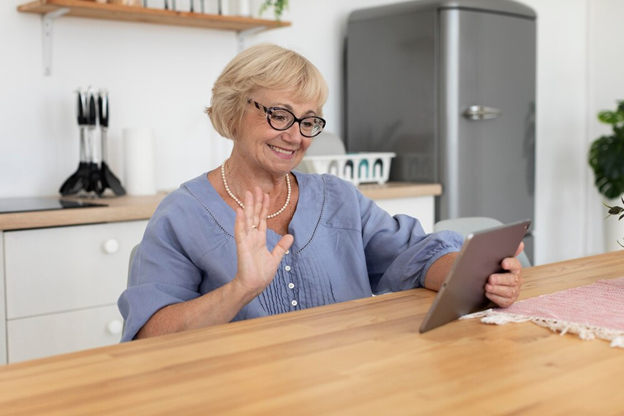
Elderly woman holding a tablet computer waving and smiling to a family member or friend.

As the world ages, more seniors find themselves living independently, often without close relatives nearby. This reality poses unique challenges but also presents opportunities for empowerment and self-reliance. This article aims to provide practical guidance for those who want to support seniors in navigating daily life, ensuring they live safely, comfortably, and with dignity. From getting organized to managing health, the following strategies are designed to enhance the quality of life for seniors living alone.

Mastering Organization: The Key to Clarity

Organizing one’s life can significantly reduce stress and confusion, especially for seniors living alone. It’s about creating a system that works, making daily tasks more manageable and less overwhelming.

     Digitizing Documents: Organize and digitize important paper documents to limit clutter and improve accessibility. Use a PDF merging tool to combine PDF files.

     Daily Routine Schedule: Establish a clear daily routine and display it prominently. This helps in maintaining a sense of structure and purpose.

     Emergency Contact List: Keep an updated list of emergency contacts, including neighbors, friends, and local services, in an easily accessible place.

Financial Management: Securing Stability

Managing finances in the golden years is crucial for maintaining independence and security. It involves making informed decisions that align with one’s current and future needs.

     Budgeting: Create a detailed budget that accounts for all income sources and expenses. Regularly review and adjust as needed.

     Home Sale Consideration: Assess the financial benefits of selling one’s home, especially if maintenance costs are high or the space is no longer necessary.

     Seek Financial Advice: Consult with a financial advisor specialized in elder finance to explore options like pensions, insurance, and investments.

Health Management: A Cornerstone of Independence

Maintaining health is vital for seniors living alone. It’s not just about medical care but also about lifestyle choices that promote well-being.

     Regular Medical Checkups: Schedule and attend regular medical checkups to monitor health conditions and receive timely advice.

     Stress Management Techniques: Learn and practice stress management techniques such as meditation, gentle exercise, or engaging in hobbies.

     Nutritional Balance: Focus on a balanced diet rich in nutrients, and consider consulting a nutritionist for personalized dietary advice.

Building a Support Network: You’re Not Alone

Even when living alone, it’s important for seniors to cultivate a supportive network of friends, neighbors, and community members.

     Community Engagement: Participate in local events or join clubs to meet people and stay socially active.

     Technology for Communication: Use technology like video calls and social media to stay in touch with distant family and friends.

     Volunteer Services: Explore local volunteer services that can provide companionship or assistance with daily tasks.

Creating a Secure Living Environment: Safety First

Ensuring a safe living space is essential for preventing accidents and promoting peace of mind.

     Home Safety Audit: Conduct a home safety audit to identify and rectify potential hazards like loose carpets or inadequate lighting.

     Emergency Alert Systems: Consider installing emergency alert systems or wearable emergency devices for immediate assistance.

     Accessibility Modifications: Make home modifications for accessibility, such as installing grab bars in the bathroom or a stair lift if necessary.

     Fall Prevention: Explore the latest fall prevention products from Secure Safety Solutions.

Assisting seniors in managing their independence involves a holistic approach that encompasses organization, financial stability, health, social connections, and safety. By implementing these strategies, seniors can not only face the challenges of living alone but can also embrace the opportunities for growth, self-sufficiency, and joy in their later years. This guide serves as a starting point for those seeking to support the elderly in their journey towards a fulfilling and independent life.
KIDS AND THE ELDERLY: A WIN-WIN

Kids and the Elderly: a Win Win

In Seattle, amongst the discarded coffee cups and heads bent low to avoid the rain, there is a beautiful partnership brewing that spans generations: the Intergenerational Learning Center (ILC), housed within the walls of Providence Mount St. Vincent assisted living facility. This arrangement solves one of the underlying problems of our society– the lack of wisdom passed down the generations.

The brilliant idea that is the ILC takes a solid swipe at this generational disconnect. This program places a pre-school inside of an assisted living facility. Imagine lonely octogenarian widows and widowers, lonely and isolated, being greeted by wee ones. Being asked questions that are at once awkward and disarming, watching the kids cry and yell and flop about like a litter of puppies. The learning and the joy!

It is no secret that the aging population is increasing (please see our previous blog posts for further information on this). A great way to combat the shortage of qualified help in the future is to break down the stigma that exists between youth and Elder.

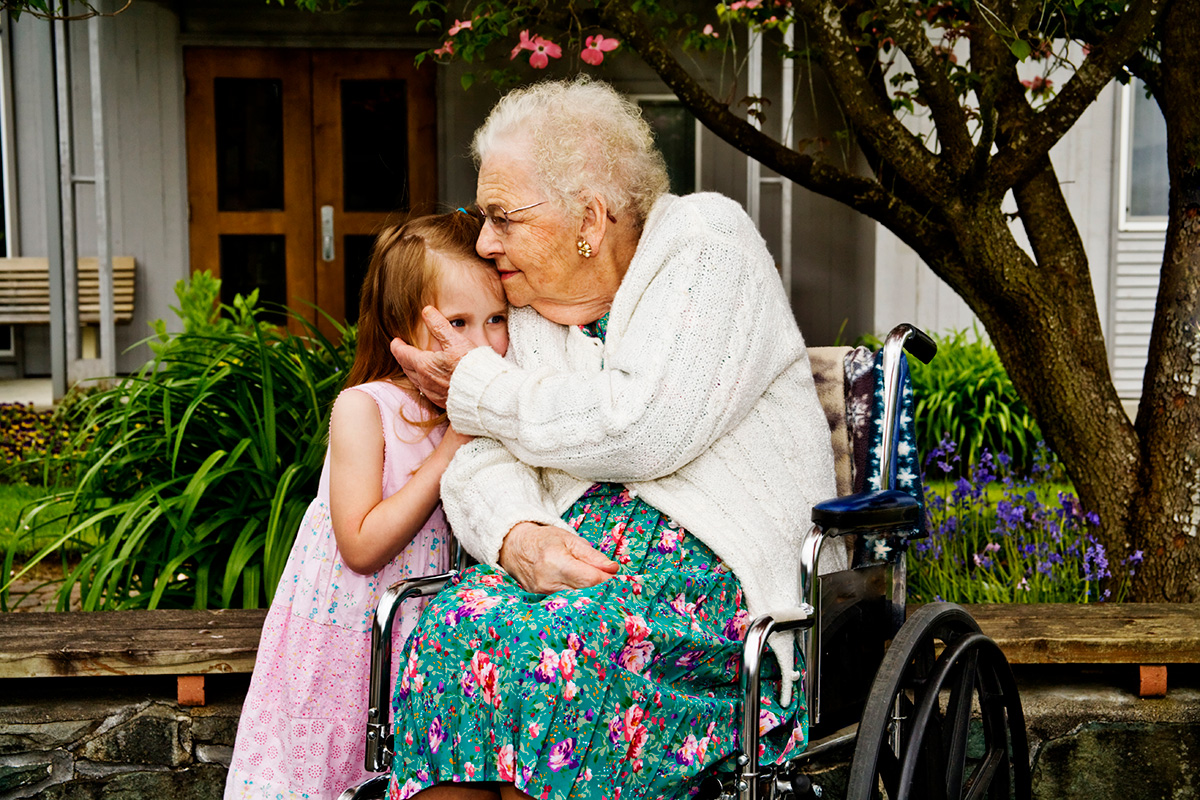
At the ILC, children get used to seeing and interacting with people in wheelchairs, using walkers, oxygen, canes, etc. This creates kids who are able to interact comfortably with not only the elderly, but with others with special needs as well.

If only this could become a norm. Add in more access to nature for both youth and the elderly and I believe many a problem in this country could be avoided. I find it worthwhile to imagine better situations, better solutions to the problems we as people face. I believe the ILC to be an elegantly simple solution to a whole range of problems.

3 THINGS YOU MUST KNOW BEFORE MOM MOVES IN

3 Things You Must Know Before Mom Moves In

As I prepare for this post, and inevitably comb through the bevy of articles and assorted content about preparing your home for an elderly loved one moving in, I can’t help but notice that the list is always pretty much the same:

  1. Fall Prevention and Awareness. As a home healthcare provider, it might behoove you to go to a professional, dedicated long term care facility and pay attention to what is and what is not present in the nursing home environment. It seems to me that the biggest task is to start thinking like someone with declining mobility. What things that you or I might take for granted might need to be changed or removed altogether?
  2. Family Changes are a comin’. With the addition of at least one human being, your household dynamics are going to change drastically. Change can be a great motivator. We at securesafetysolutions.com encourage you to let this change motivate your family to become closer. Set a goal to let this be an opportunity for yourself and your children to honor their elders. Pre-planning can help immensely. Meet with your family as far in advance of the move-in date as possible. Include the aforementioned safety concerns.
  3. Finances Play a Role. Is it a financial decision to move your mother or father into your house? Hopefully not fully. But it can be another reason to take into account. Or not. Maybe it really would be better for everyone to look into a dedicated care facility. Professionals are available to help with all of this. There are going to be hidden costs. Who will be with mom when you are working? How will you divide food costs? Will she have her own car? If not, who is taking her where?

These three areas will require a lot of thought on your part. Take time to meet as a family regularly. Break the ice and discuss the hard things. Bring in outside help for these discussions if you feel you are too close emotionally to be objective. Taking in an Elder is an act of love. Certain steps can ensure that this love is reciprocated and transmitted through the generations.

KEEPING FIT AND COMFORTABLE IN A WHEELCHAIR

Keeping Fit and Comfortable in a Wheelchair

One thing leads to the other, I believe.  Keeping fit could aid greatly to one’s comfort–which reminds me–I’d better renew that underused gym membership of mine.  The benefits of getting fit are manifold, but the problem is, I actually have to do it.

I tell you what, you write me back on this here blog, and I’ll match any exercise you, a loved one, or a patient with limited mobility does.  Sound like a deal?  Take it easy on me if you just did a 100 mile marathon, or swam the English Channel.  But, if you didn’t just do said marathon and need help getting motivated, here is an article that might help you out.

Now that we have that pesky exercise business out of the way, lets get to the more comfortable part of this post.  There are a lot of ways that wheelchair use can be made more bearable.  It almost goes without saying that we are dealing with a less than ideal situation, but taking a few simple steps could make the experience better, and, like the English say, “Keep calm and carry on.”  I can’t imagine anything less calming than pressure ulcers, can you?  SecureSafetySolutions.com has many wheelchair solutions for Elders, click the link to view our full selection.  Beyond products, this article offers other best practices for wheelchair users.  I thoroughly enjoy the author, Tiffiny Carlson’s candor and sense of humor in the aforementioned article, as well as the others that I have read.

What hacks, tricks, or tips do you have for wheelchair use, comfort and safety?  We would love to hear from you.