


Elderly Fall Prevention Bed and Chair Exit Alarms: A Complete Guide
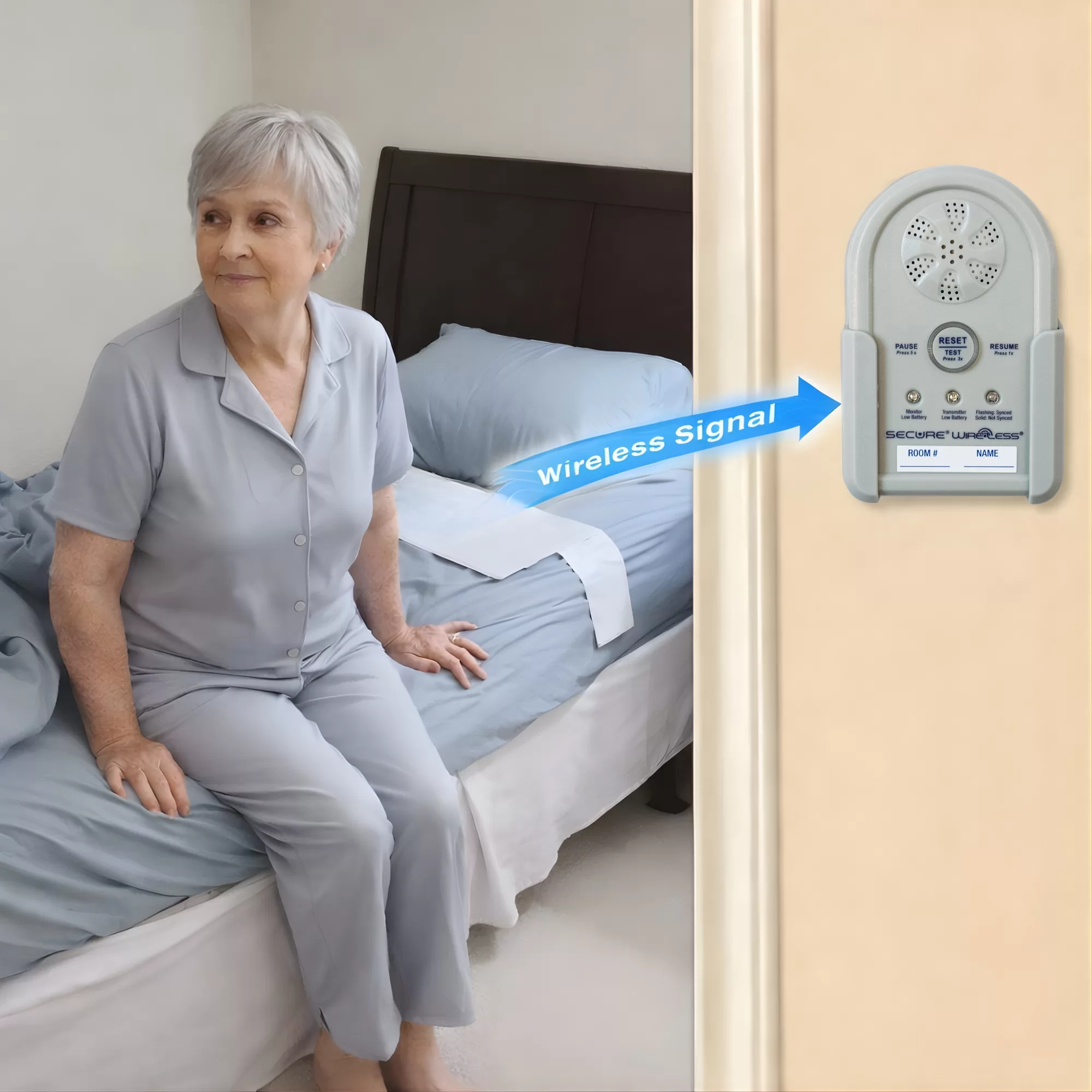
Falls are among the most common and serious safety risks for older adults. According to the U.S. Centers for Disease Control and Prevention (CDC), one in four adults aged 65 and older experiences a fall each year, totaling more than 14 million reported falls in the United States. Falls are the leading cause of fatal and non-fatal injuries among older adults, and their consequences range from minor injuries to hip fractures, traumatic brain injuries, and even death. Emergency departments treat about 3 million older adults for fall-related injuries each year, and nearly 1 million are hospitalized, often for serious trauma such as hip fractures. In 2021, falls caused approximately 38,000 deaths among adults age 65 and older.
With the aging population growing rapidly, these figures are expected to rise unless effective prevention and monitoring strategies are implemented.
This guide explains how elderly fall prevention bed and chair alarms work, including modern wireless patient monitoring systems available from Secure Safety Solutions. It covers when these systems are most effective, how they differ, and how caregivers can choose the right solution for their needs.
How Elderly Fall Prevention Alarms Work
Fall prevention alarms are designed to alert caregivers when a senior attempts to stand or move without assistance. Rather than physically restraining movement, these systems focus on early detection, allowing caregivers to intervene before a fall occurs.
Most systems rely on pressure-sensitive sensor pads. When weight is removed from the pad—such as when a person rises from a bed or chair—the system sends an alert to a monitor or alarm unit. This early alert gives caregivers valuable time to respond before a fall happens.
Many of these systems are part of broader fall and wandering prevention solutions designed for both home and professional care settings. You can explore them here:
https://www.securesafetysolutions.com/product-category/fall-wandering-prevention-elderly
What Is a Wireless Patient Monitoring System?
A wireless patient monitoring system uses sensor pads paired with wireless transmitters and a remote alarm monitor. When movement is detected, the signal is sent wirelessly to the caregiver’s monitor rather than through a physical cord, reducing tripping hazards and allowing alerts to be received from another room or monitoring station.
Secure Safety Solutions offers wireless monitoring systems that allow multiple sensors—such as bed and chair pads—to connect to a single monitor:
Wireless monitoring is especially helpful in environments where caregivers cannot remain in the same room at all times, such as in larger homes or multi-room care settings.
Bed Exit Alarms for Seniors: When and Why to Use Them
Bed exit alarms are designed to monitor when a senior attempts to get out of bed. The pressure-sensitive pad is placed under the mattress or on the bed surface. When the senior rises and pressure is removed, the alarm is triggered, alerting caregivers to a potential fall risk.
Secure Safety Solutions offers both wired and wireless bed exit alarm options, including complete bed alarm sets and individual components:
https://www.securesafetysolutions.com/category/falls-management/bed-and-chair-exit-alarms
Bed exit alarms are particularly helpful for:
Seniors at risk of nighttime falls Individuals who wake confused or disoriented Patients recovering from surgery or illness Older adults with cognitive challenges
By alerting caregivers early, bed exit alarms help reduce unassisted bed exits, which are a leading cause of fall-related injuries and emergency room visits.
Chair Exit Alarms for Elderly Fall Prevention
Chair exit alarms function similarly but are designed for seated positions. A pressure-sensitive pad is placed on a wheelchair, recliner, or standard chair. When the senior stands up or shifts significantly, the system sends an alert.
Secure Safety Solutions’ chair exit alarm products, available in both wired and wireless configurations, are suitable for wheelchairs and stationary chairs:
https://www.securesafetysolutions.com/category/falls-management/bed-and-chair-exit-alarms
Chair alarms are useful for seniors who:
- Use wheelchairs or mobility chairs
- Spend extended periods seated
- Attempt to stand without assistance Have balance or strength limitationsIn many care environments, chair exit alarms are used alongside bed alarms to provide more comprehensive daily monitoring.
Wireless vs Wired Bed and Chair Alarm Systems
Both wireless and wired fall prevention systems are effective, but each serves different needs.
Wireless systems enable remote alerts and eliminate cords, which can be trip hazards. They are especially beneficial in larger homes or care facilities where caregivers may monitor multiple individuals.
Wired systems are typically more cost-effective and may be sufficient when caregivers are nearby at all times. Secure Safety Solutions offers a wide range of wired bed and chair alarm sets designed for consistent, dependable use:
Choosing between wireless and wired systems often depends on caregiver availability, physical environment, and monitoring priorities.
Fall Risks Increase With Age and Have Serious Outcomes
Falls become more likely as people age. The CDC reports that more than one in four older adults fall each year and that fall death rates are rising across older age groups. Data shows that the unintentional fall death rate for adults aged 65 and older increased significantly over the past two decades, with the most dramatic increases among adults aged 85 and older. Emergency department visits and hospitalizations due to falls remain high, and the long-term effects of serious injuries—such as hip fractures—can include disability, loss of independence, and increased mortality risk.
Who Benefits Most From Fall Monitoring Systems?
Fall prevention bed and chair alarms are beneficial for:
Seniors aging in place at home Individuals with a history of falls Patients with limited mobility or balance issues Older adults with dementia or cognitive impairment Caregivers responsible for overnight or remote monitoring
These systems support caregivers by improving response time and reducing the likelihood of unassisted movements that can lead to injury.
How to Choose the Right Fall Prevention Alarm
When selecting a fall prevention alarm system, caregivers should consider:
- The senior’s mobility level and fall history.
- Whether monitoring is needed at night, during the day, or both.
- Layout of the home or facility Whether wireless monitoring would improve safety and convenience
Systems that allow bed and chair sensors to connect to one monitor can simplify setup and improve coverage.
Final Thoughts on Elderly Fall Prevention Monitoring
Elderly fall prevention bed and chair alarms are valuable tools when used as part of a comprehensive safety and care plan. By providing early alerts, these systems help caregivers respond quickly and reduce the risk of unassisted movement that can lead to injury. Wireless patient monitoring systems and traditional bed and chair exit alarm sets from Secure Safety Solutions offer flexible options for home care and professional environments alike.
Falls among older adults remain a major public health concern, but through targeted interventions, monitoring technologies, and proactive caregiving strategies, risks can be reduced and independence preserved.
Frequently Asked Questions About Fall Prevention Alarms
Do bed exit alarms medically prevent falls?
Bed exit alarms do not physically prevent falls or replace clinical care. However, they are widely used as a fall risk management tool because they alert caregivers when an older adult attempts to get out of bed without assistance. Early notification enables caregivers to intervene promptly, reducing the risk of fall-related injuries.
Are wireless fall prevention alarms safe for home use?
Yes. Wireless patient monitoring systems are commonly used in home care, assisted living, and clinical settings. These systems are designed to meet safety standards for patient monitoring and help reduce environmental risks, such as tripping hazards caused by cords, while supporting caregiver awareness.
Who is most likely to benefit from bed or chair exit alarms?
Bed and chair exit alarms are most often recommended for older adults with a history of falls, mobility limitations, balance impairment, or cognitive conditions such as dementia. They may also be appropriate for individuals recovering from illness or surgery when unassisted movement poses an increased risk.
Can chair exit alarms help reduce fall risk in wheelchair users?
Yes. Chair exit alarms are frequently used for individuals who use wheelchairs or seated mobility devices. By alerting caregivers when a person attempts to stand without assistance, these alarms can support safer transfers and reduce the risk of falls during unsupervised movement.
Can bed and chair alarms be used together safely?
Yes. Many patient monitoring systems are designed to support both bed and chair sensors connected to a single monitor. Using multiple sensors can improve overall monitoring coverage during the day and night, especially for individuals who frequently transition between bed and chair.
Do fall prevention alarms replace medical supervision or treatment?
No. Fall prevention alarms are supportive safety tools, not medical treatments or substitutes for professional care. They should be used as part of a broader fall prevention strategy that may include supervision, environmental modifications, mobility aids, and guidance from healthcare professionals.
Medical Disclaimer
This content is for informational purposes only and is not intended as medical advice. Always consult a qualified healthcare professional regarding fall risk assessment, safety planning, and appropriate care for older adults